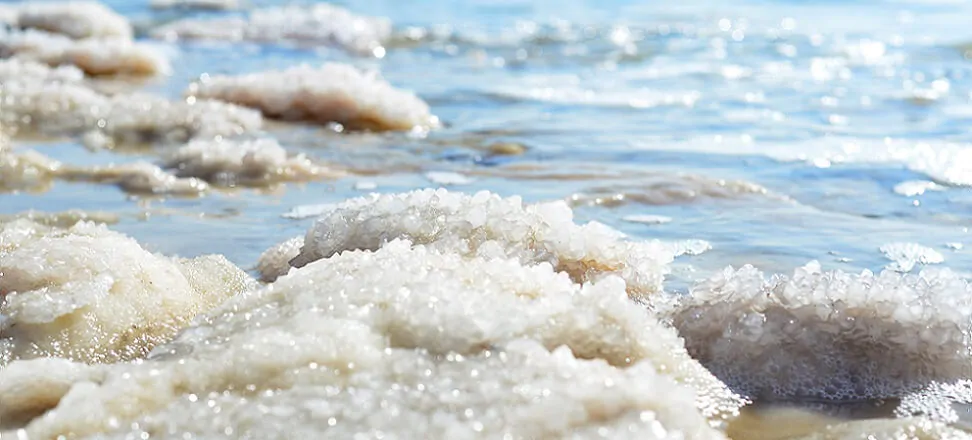
Have you ever wondered why sea water is salty and not sweet? The answer lies in natural geological and chemical processes that take place on Earth. The salinity of ocean water is a result of minerals and salts carried into the seas over millions of years.
1. How Salt Enters the Sea
Rainwater flows over mountains and rocks, creating rivers and streams. While passing through rocks, rainwater dissolves naturally occurring minerals and salts. This mineral-rich water eventually flows into rivers, which then empty into the ocean. Over time, this continuous process adds significant amounts of salt to the seas.
2. Evaporation Leaves Salt Behind
When the sun heats the sea, water evaporates into the atmosphere, leaving behind the dissolved salts. This process, called evaporation, increases the concentration of salt in the ocean over time, making sea water increasingly salty.
3. Salinity Varies Across Locations
Sea water is not equally salty everywhere. Some factors that affect salinity include:
-
Enclosed bodies of water, like the Dead Sea, are much saltier.
-
Areas with heavy rainfall or freshwater inflow may have slightly lower salinity.
4. Importance of Salt for Marine Life
Salt in the oceans is essential for life. Minerals in seawater help maintain the balance of marine ecosystems and regulate the ocean’s temperature. Many marine species, including corals and sea plants, thrive only in salty water.
5. Scientific Perspective
From a scientific viewpoint, sea water contains salts such as sodium, chloride, sulfate, and other minerals. These minerals are responsible for its salty taste. If the oceans were fresh, the global climate and life on Earth would be drastically different.
Sea water is salty because rivers carry dissolved minerals from rocks into the oceans, and evaporation leaves the salts behind. This natural process has been ongoing for millions of years, giving the seas their characteristic saltiness.
 English