Vitamin K is an essential nutrient for the human body. It plays an important role in blood clotting, maintaining strong bones, and supporting several vital body functions. When the body lacks sufficient Vitamin K, it can lead to various health problems, with uncontrolled bleeding being the most serious risk.
The body gets Vitamin K mainly from food and from beneficial bacteria present in the intestines. When there is a deficiency, blood may not clot properly, which can lead to excessive bleeding even from minor injuries.
Main Symptoms of Vitamin K Deficiency
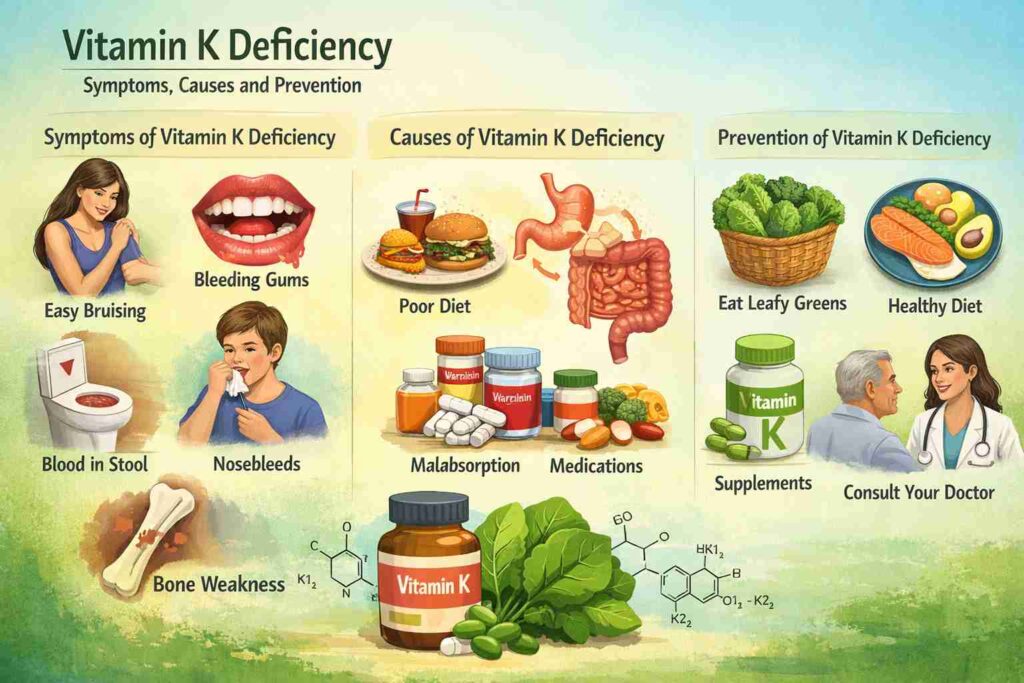
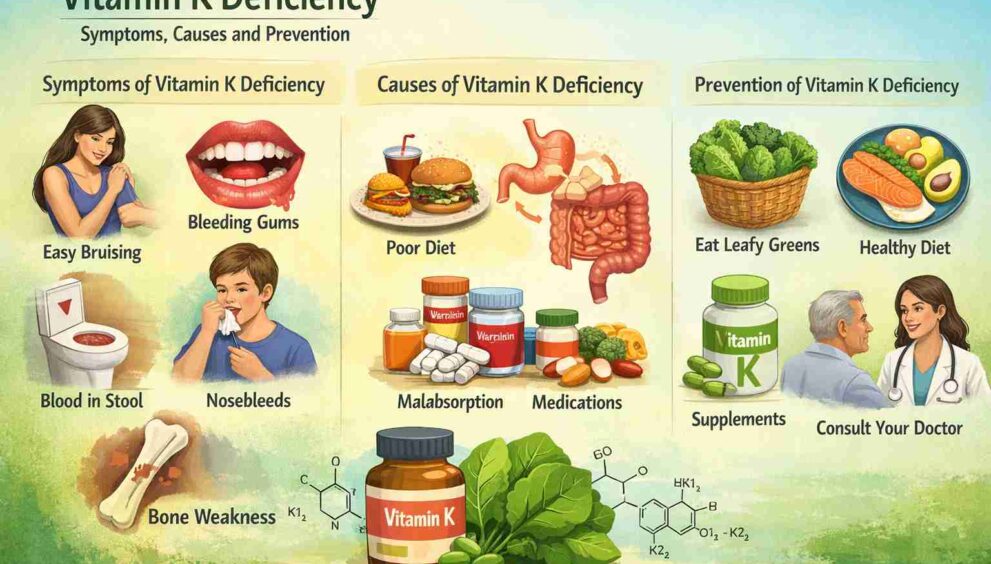
When the body is low in Vitamin K, it may show several warning signs, including:
-
Easy bruising on the body
-
Bleeding from nose or gums
-
Heavy menstrual bleeding in women
-
Prolonged bleeding from small cuts or wounds
-
Pale skin
-
Blood in urine or stool
-
Weak bones
If the deficiency becomes severe, it can lead to serious internal bleeding.
Why Vitamin K Deficiency Is Dangerous for Babies
Newborn babies naturally have very low levels of Vitamin K. Because of this, they are at a higher risk of bleeding disorders. That is why doctors usually recommend a Vitamin K injection after birth.
Causes of Vitamin K Deficiency
-
Poor or unbalanced diet
-
Poor absorption of nutrients in the intestines
-
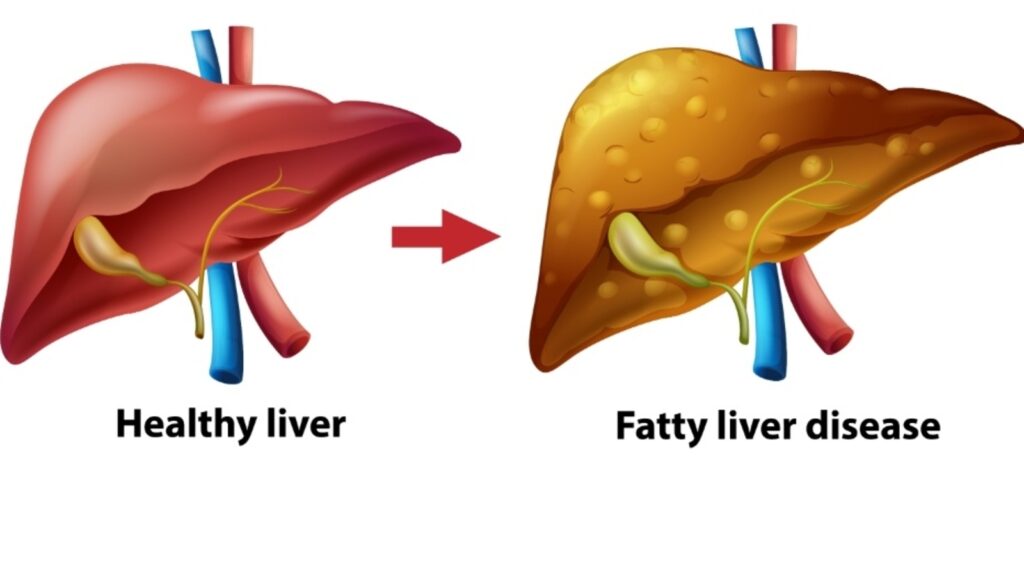
Liver-related diseases
-
Long-term use of certain medicines
-
Chronic digestive or intestinal problems
Health Problems Caused by Vitamin K Deficiency
How to Prevent Vitamin K Deficiency
-
Eat more green leafy vegetables
-
Maintain a balanced and nutritious diet
-
Take supplements only if recommended by a doctor
-
Ensure newborn babies receive Vitamin K after birth
Vitamin K deficiency should not be ignored. If you notice frequent bleeding, weakness, or bone-related problems, you should consult a doctor immediately. With proper diet and timely treatment, this deficiency can be managed effectively.
 English