

 English































































































































































































































































Pakistan May Face Wheat Crisis in 2026 Amid Falling Production and Growing Challenges

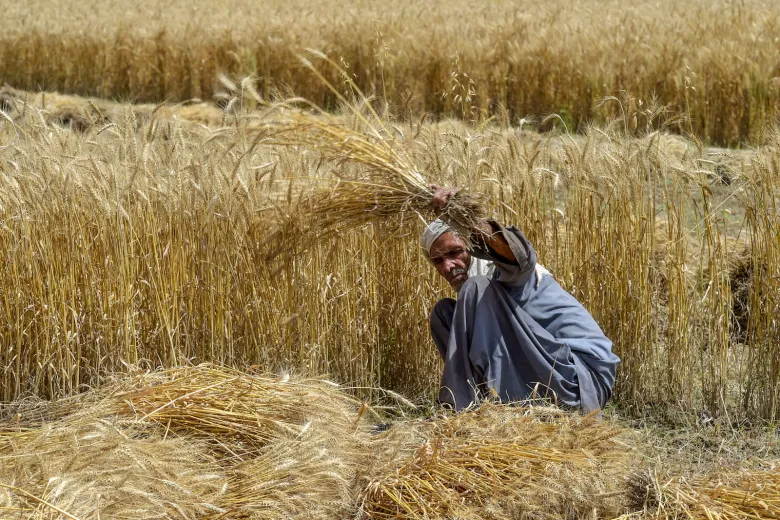
Pakistan may face a potential wheat crisis in 2026 as agricultural estimates indicate a noticeable decline in wheat production. This development comes at a time when the country is already dealing with economic pressure and regional instability, raising concerns about food security and price stability.
Wheat is a staple food in Pakistan and forms the foundation of daily consumption, including roti, naan, and other essential items. Any significant drop in production could directly impact millions of households across the country.
Key Reasons Behind the Production Decline
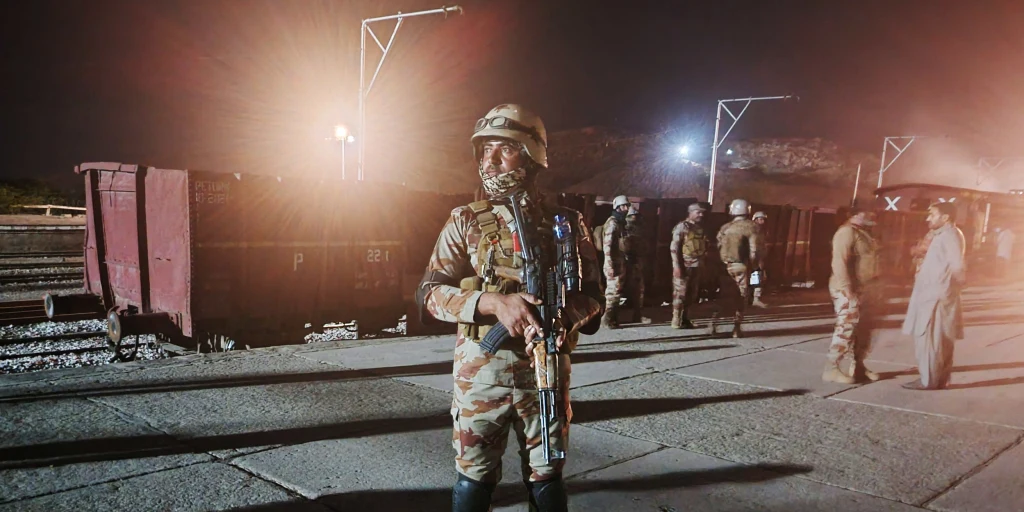
1. Border Tensions and Security Concerns
Instability in regions near the Afghanistan border has disrupted agricultural activities. Farmers in certain areas have faced difficulties in carrying out regular farming operations due to security challenges.
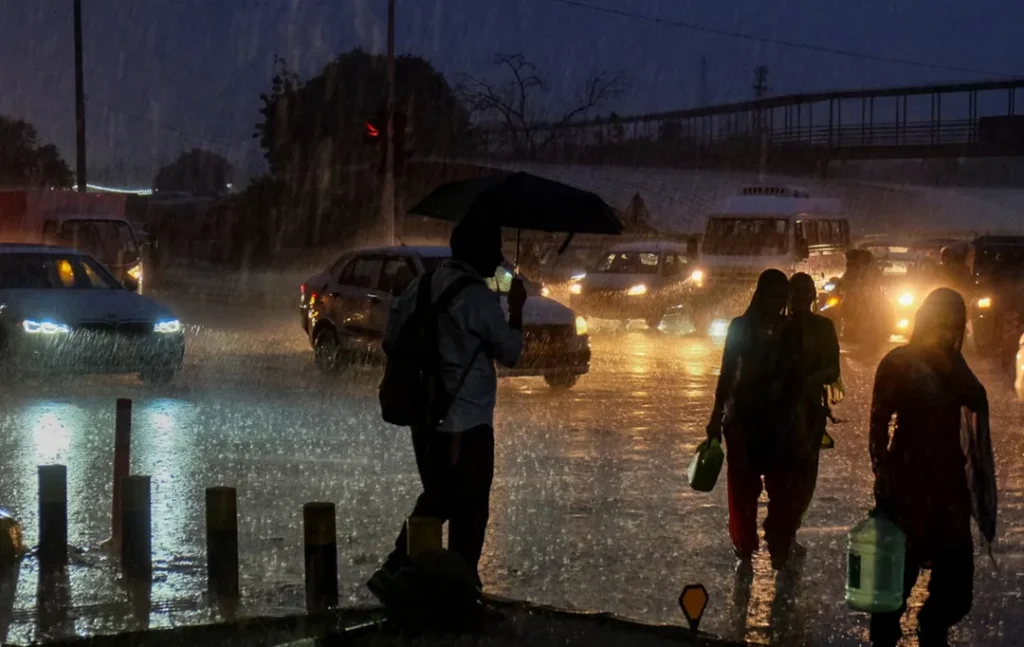
2. Low Rainfall and Drought Conditions
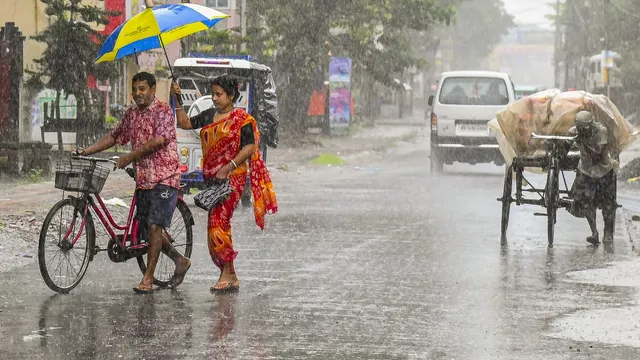
Reduced rainfall compared to previous years has affected irrigation systems. Water shortages have led to lower sowing levels in some regions, ultimately reducing overall wheat output.
3. Pressure on Water Resources
Increased strain on irrigation infrastructure and water management systems has further impacted crop yield and quality. Limited water availability remains a critical concern for farmers.
Possible Impacts of the Crisis
Food Security Concerns
If production declines as projected, domestic supply may struggle to meet demand. This could create shortages in local markets and disrupt food distribution.
Rise in Wheat and Flour Prices
Lower supply typically leads to higher prices. An increase in flour and wheat prices would place additional financial pressure on low- and middle-income households.
Increased Dependence on Imports
To stabilize domestic supply, the government may need to increase wheat imports. This could add further strain on foreign exchange reserves and the national economy.
Challenges for the Government
The government faces the task of maintaining supply stability, improving storage management, and supporting farmers through policy measures. Timely intervention and effective agricultural planning will be essential to prevent the situation from worsening.
A potential wheat crisis in Pakistan is not merely an agricultural issue but one with broader economic and social implications. Declining production, water shortages, and regional instability together pose a serious challenge to food security. The coming months will be crucial in determining how effectively the situation is managed.