
 English



















































































































































































































































India–EU FTA: European Cars May Become Cheaper in India


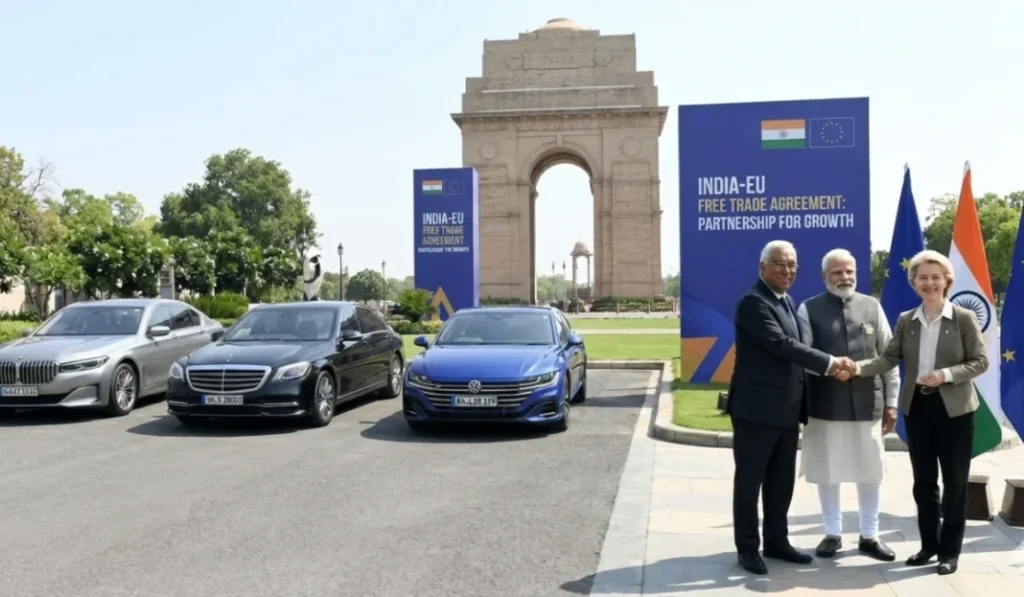
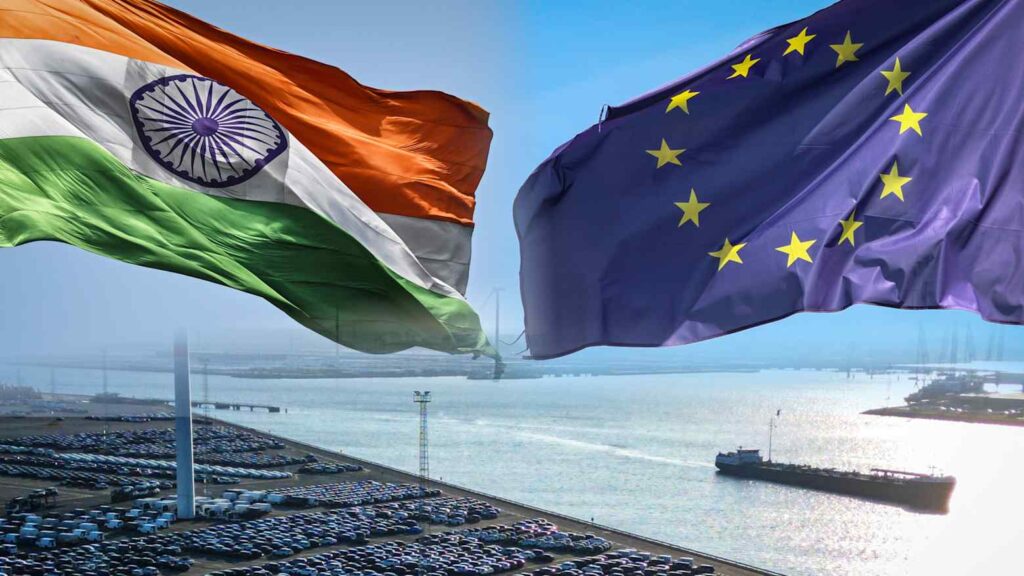
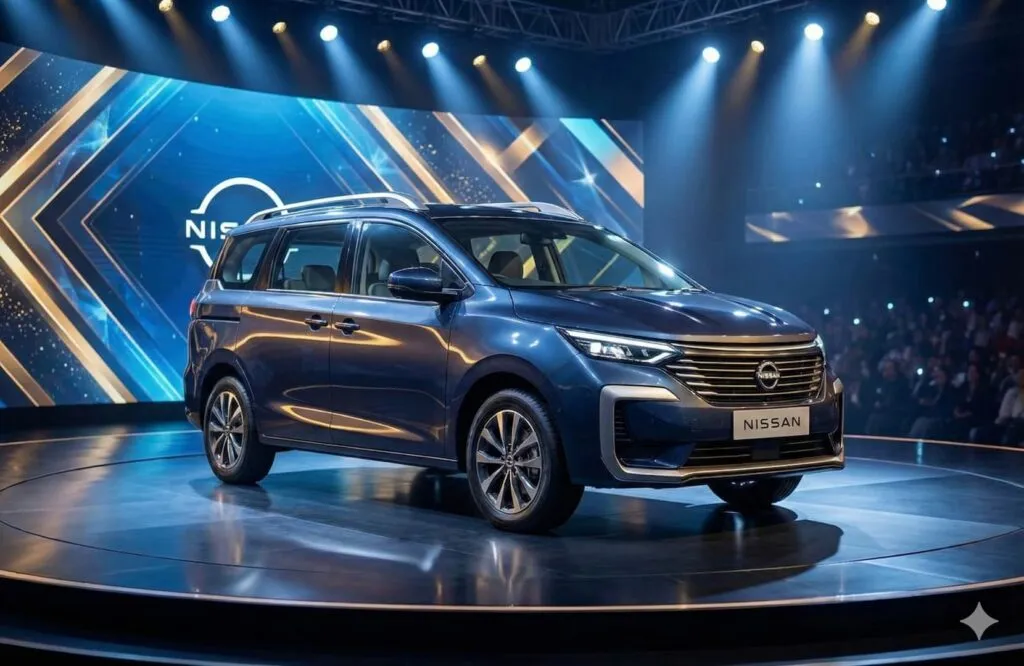
Negotiations between India and the European Union (EU) over a proposed Free Trade Agreement (FTA) have reached an advanced stage. If finalized, the deal could significantly impact India’s automobile market, especially the prices of European luxury cars such as Mercedes-Benz, BMW, and Volkswagen.
Current Import Duty on European Cars
At present, cars imported from Europe attract import duties ranging from 100% to 110% in India. Due to these high taxes, European vehicles become extremely expensive, limiting their reach to a small segment of buyers.
What Changes Are Proposed in the FTA?
Under the India–EU FTA, there is a proposal to reduce import duties to around 40% in the initial phase. Over time, the tariff could be further lowered to as little as 10%, depending on mutual agreement. This reduction would allow European car manufacturers to price their vehicles more competitively in the Indian market.
How Will Car Buyers Benefit?
The biggest advantage of the proposed duty cut will go directly to consumers. Industry experts believe that prices of European luxury cars could drop by ₹10 lakh to ₹50 lakh, depending on the model and engine size.
For example, a car currently priced at ₹70–80 lakh may become significantly more affordable once the reduced tariff is implemented. This would make premium cars accessible to a wider group of buyers.
Which Vehicles Will Be Affected First?
Initially, the benefits are expected to apply mainly to petrol and diesel cars imported from Europe. Electric vehicles (EVs) may be excluded in the early stages to protect India’s domestic EV industry. However, EV inclusion could be considered in later phases of the agreement.
Impact on India’s Automobile Industry
If the FTA comes into effect, India’s auto sector may become more competitive and globally integrated. The deal could attract foreign investment, introduce advanced technology, and encourage global manufacturers to explore local assembly or manufacturing in India.
Possible Challenges
While the agreement offers major benefits for consumers, it may increase competition for domestic car manufacturers. Additionally, the FTA still requires final approvals from both India and the EU, which could take time.
If implemented, the India–EU Free Trade Agreement could bring a major transformation to India’s car market. European vehicles may become more affordable, choices will expand, and consumers could enjoy premium cars at better prices. At the same time, the deal would strengthen long-term trade relations between India and the European Union.