

 English










































































































































































Holi Special: The Tradition of Mutton and Chicken During the Festival of Colors

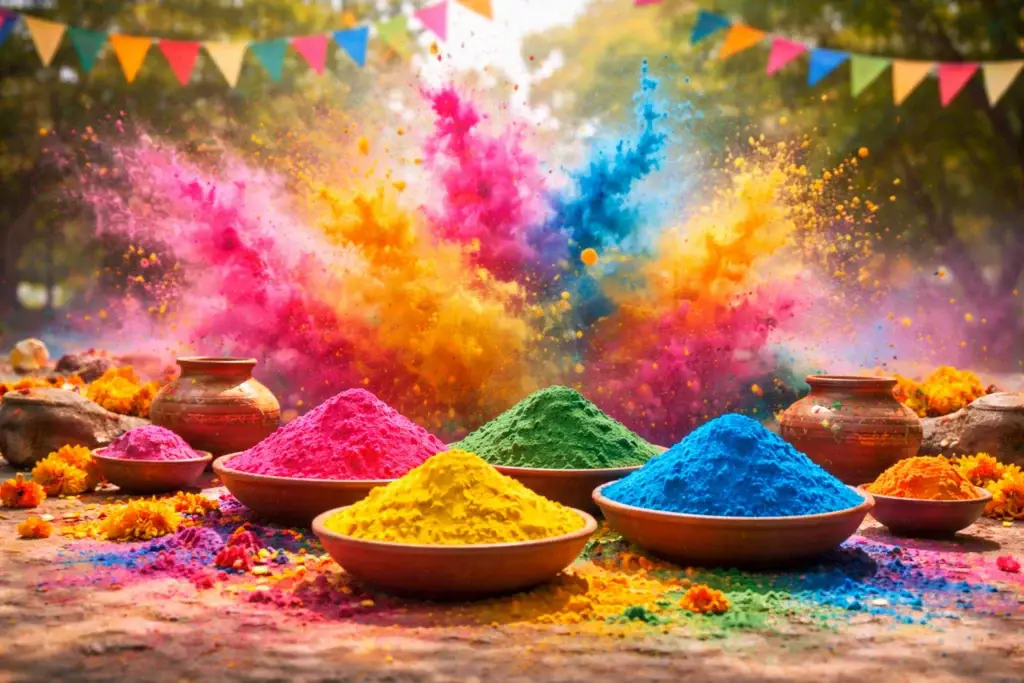
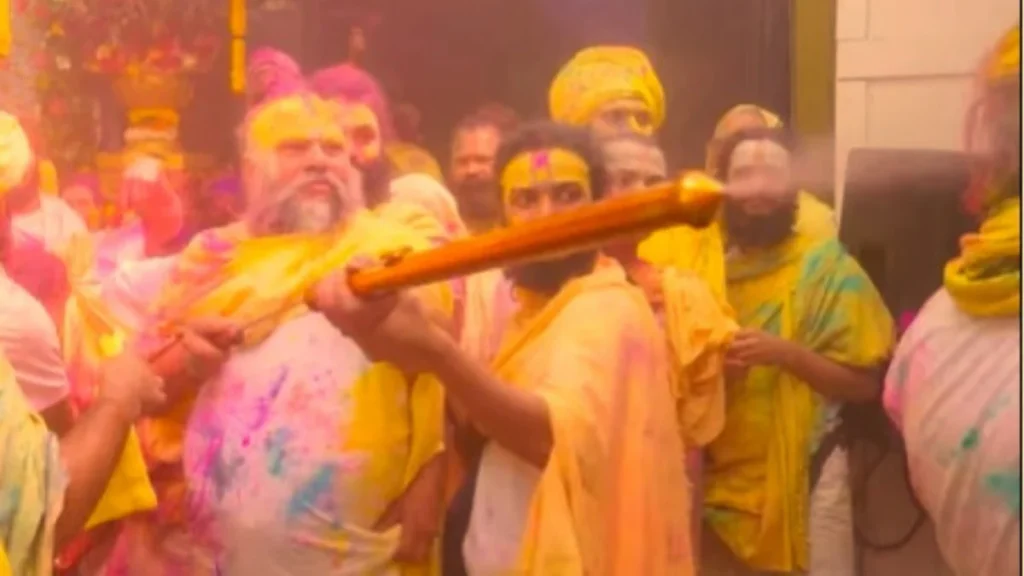
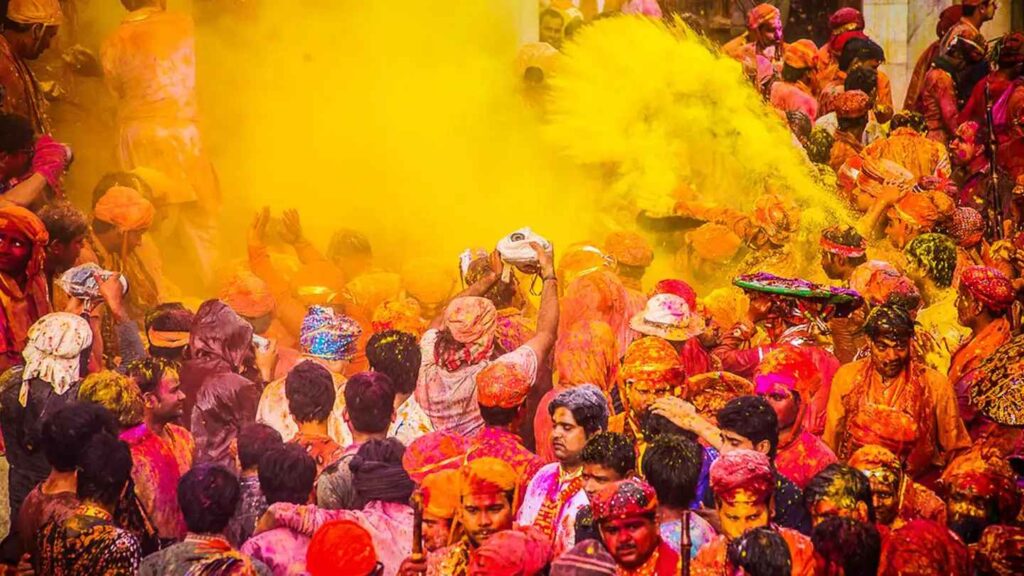
Holi is not just a festival of colors and joy; it is also a celebration of India’s rich and diverse food culture. In many parts of the country, preparing and enjoying mutton, chicken, and other non-vegetarian dishes on Holi has become a long-standing tradition. This custom is especially popular in several regions of North and Eastern India, where festive meals are an important part of the celebration.
Why Is Non-Vegetarian Food Special on Holi?
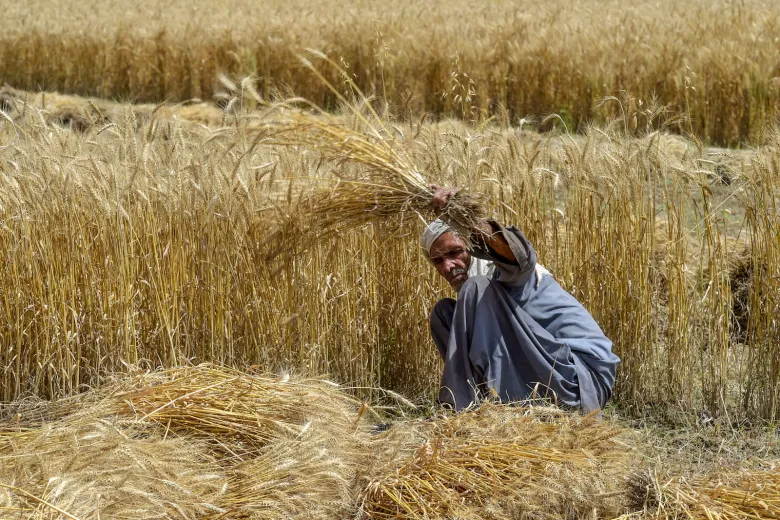
Holi is celebrated on the full moon day of the Hindu month of Phalguna, marking the transition from winter to spring. This seasonal change is often associated with harvest, renewal, and community gatherings. In many households, festivals are seen as an occasion to prepare rich and elaborate meals, and non-vegetarian dishes naturally become part of that spread.
For some communities, sharing a hearty meal with family and friends symbolizes prosperity and happiness. As a result, the demand for mutton and chicken increases significantly during the Holi festival.
Traditions in Rajasthan, Bihar, and Awadh
In Rajasthan, particularly among Rajput families, mutton-based dishes hold special importance during Holi. Spicy preparations and traditional meat curries are often served as part of the festive lunch.
In Bihar and the Awadh region of Uttar Pradesh, it is common for families to prepare mutton curry, chicken masala, or meat pulao after the morning celebrations of playing with colors. In many places, people pre-book meat in advance due to the surge in demand during the festival.
In rural areas especially, the custom of preparing non-vegetarian food on Holi has been followed for generations.
Increased Market Demand During the Festival
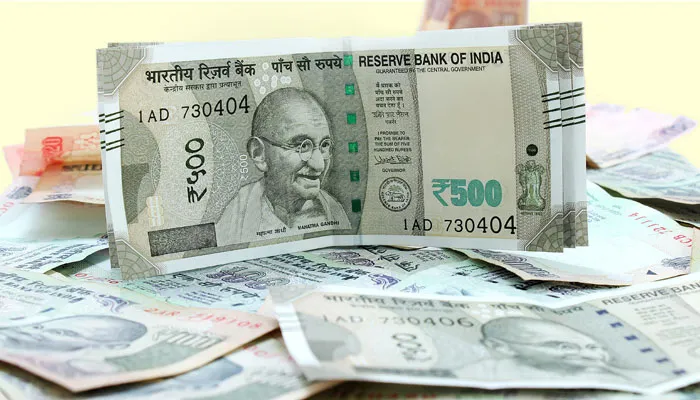
Around Holi, meat shops in many cities and towns witness heavy crowds. The demand for fresh mutton and chicken rises sharply, and prices may increase due to high consumption. From early morning, customers line up to ensure they can prepare their festive meals without any shortage.
This trend is visible not only in metropolitan cities but also in smaller towns and villages.
A Reflection of Culinary Diversity
India’s cultural diversity is clearly reflected in its Holi food traditions.
-
In some regions, mutton curry with rice is the preferred festive meal.
-
In others, chicken masala served with roti is common.
-
Biryani and region-specific meat preparations are also popular in certain areas.
At the same time, many families continue to observe vegetarian traditions during Holi. Food choices vary widely depending on regional customs, family beliefs, and personal preferences.
Holi represents a vibrant blend of colors, relationships, and flavors. In several parts of India, mutton and chicken dishes have become an integral part of the celebration. This tradition goes beyond food—it reflects the spirit of togetherness, festivity, and cultural richness.
Thus, Holi is not only a festival of colors but also a celebration of India’s diverse culinary heritage.