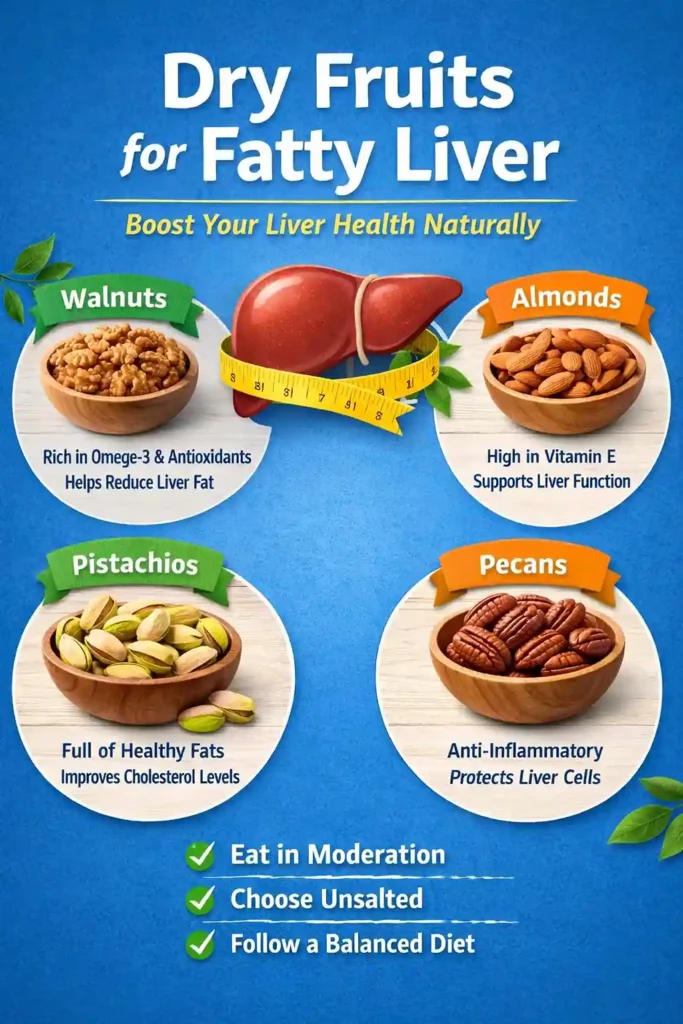
Many people consider fatty liver a mild or harmless condition, but experts warn that it can lead to serious complications if ignored. The liver is one of the most important organs in the body, responsible for processing nutrients, removing toxins, and storing energy. When excessive fat accumulates in liver cells, it can gradually impair its function and lead to severe health issues.
What is Fatty Liver?
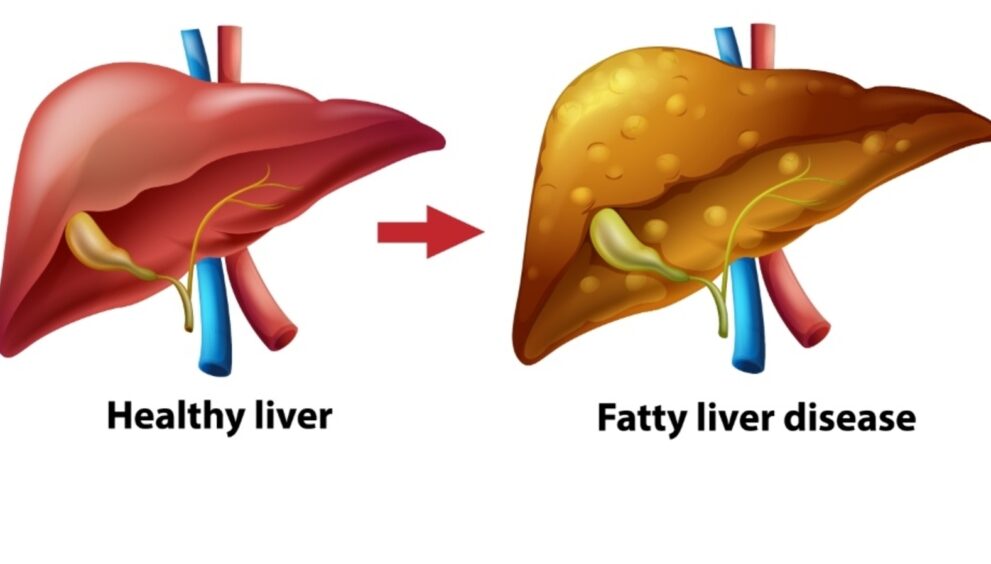
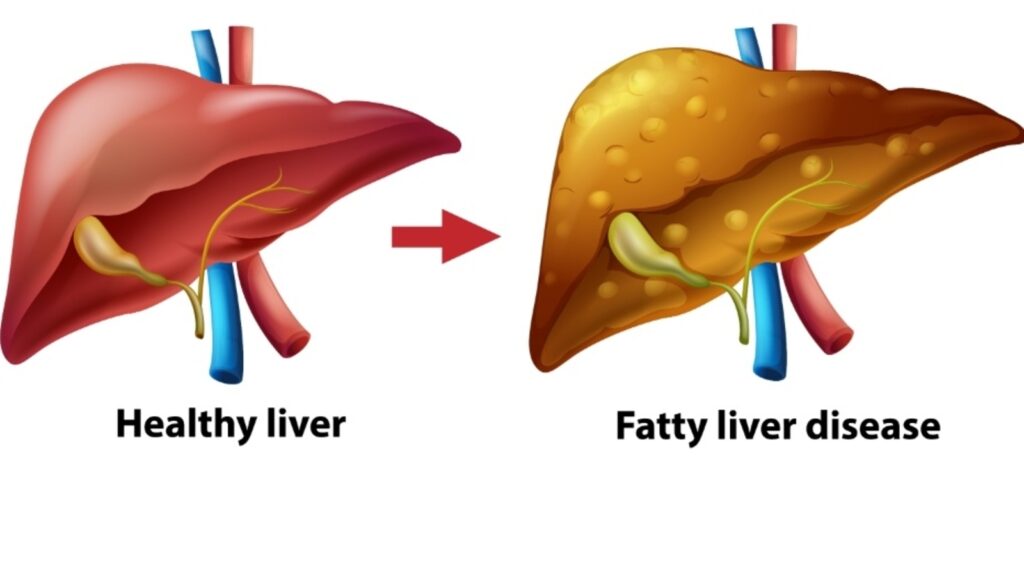
Fatty liver occurs when excess fat builds up in the liver cells, interfering with normal liver function. There are two main types:
-
Alcoholic Fatty Liver – caused by excessive alcohol consumption
-
Non-Alcoholic Fatty Liver Disease (NAFLD) – not related to alcohol, but associated with obesity, high cholesterol, diabetes, and poor lifestyle habits
Fatty Liver Is Not Just Mild
Many people ignore fatty liver until noticeable symptoms appear. However, doctors warn that if left untreated, it can progress to serious liver conditions.
Potential Risks
Cirrhosis
Long-term fatty liver can damage liver tissue, leading to cirrhosis. In this condition, normal liver tissue is replaced with scar tissue, impairing the organ’s ability to function properly. Cirrhosis is often permanent and can be life-threatening.
Liver Cancer
Chronic fatty liver can increase the risk of abnormal cell growth in the liver, which may eventually develop into liver cancer.
Who Is at Higher Risk?
Experts say fatty liver can become severe in people with:
Warning Signs to Watch For
Fatty liver often has no symptoms in its early stages, but as it progresses, you may notice:
If you notice any of these signs, consult a doctor promptly.
Expert Recommendations: Lifestyle Changes
To prevent or manage fatty liver, experts recommend:
-
Eat a balanced and nutritious diet
-
Avoid processed and high-fat foods
-
Exercise regularly
-
Reduce stress
-
Limit alcohol consumption
-
Maintain a healthy weight
These lifestyle changes help reduce strain on the liver and slow disease progression.
Fatty liver is not a harmless condition. If ignored, it can progress to cirrhosis, liver cancer, and other serious complications. Maintaining a healthy lifestyle, undergoing timely checkups, and staying aware of symptoms can significantly reduce the risks.
A healthy liver is the foundation of overall well-being, making liver care an essential part of a healthy life.
 English