
 English





































































































































































































Chandra Grahan 3 March 2026: Date, City-wise Timings, Beliefs, and Historical Background

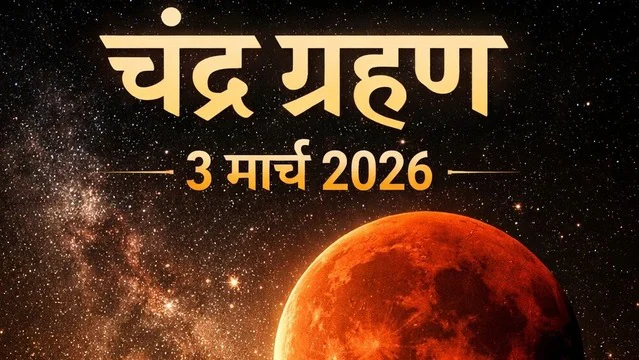
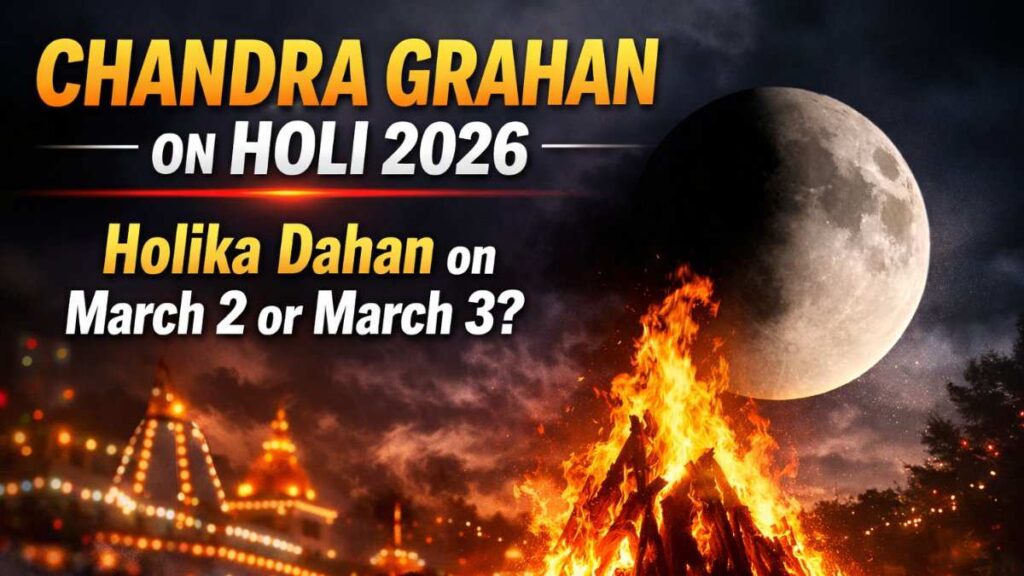
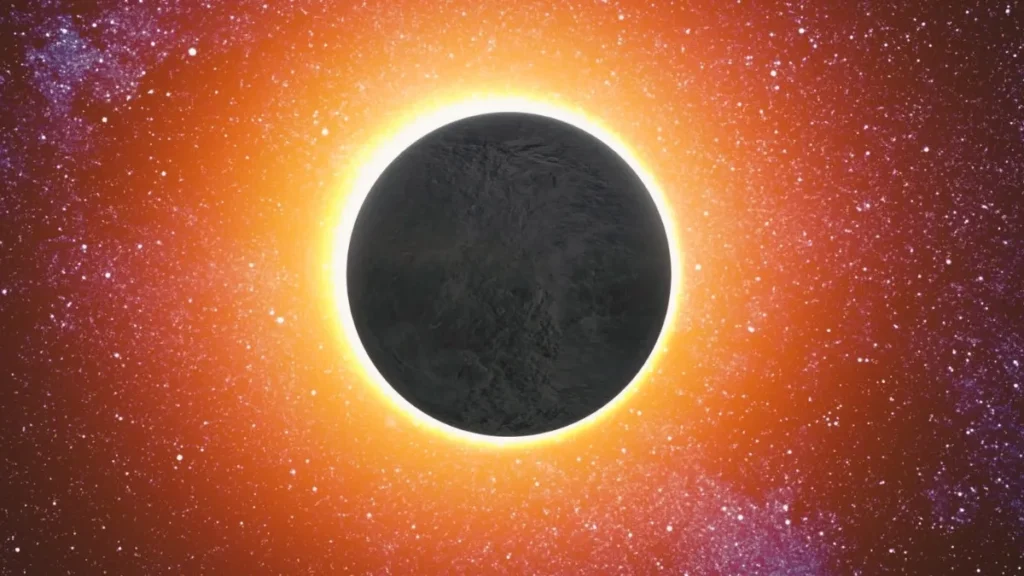
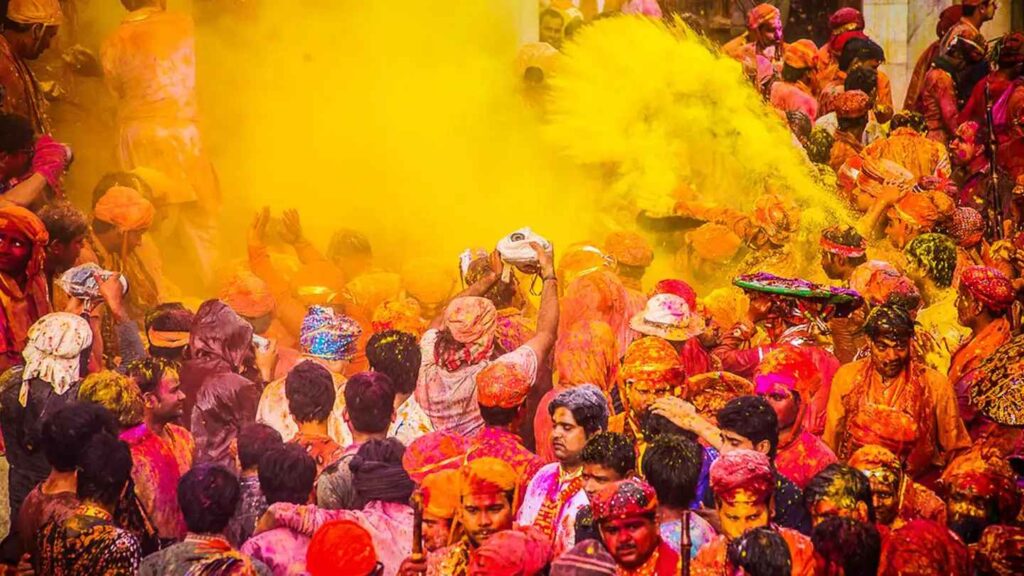
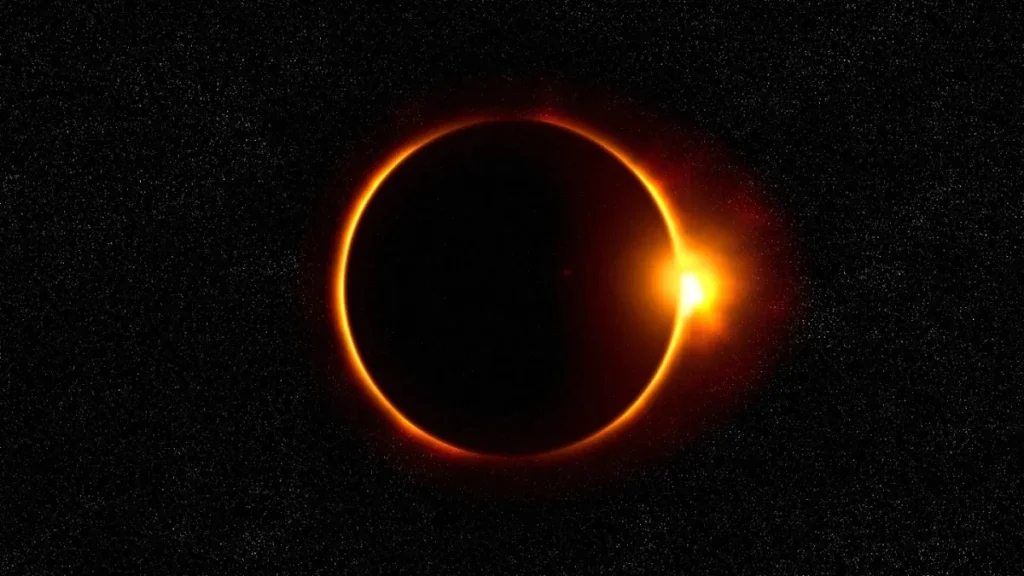
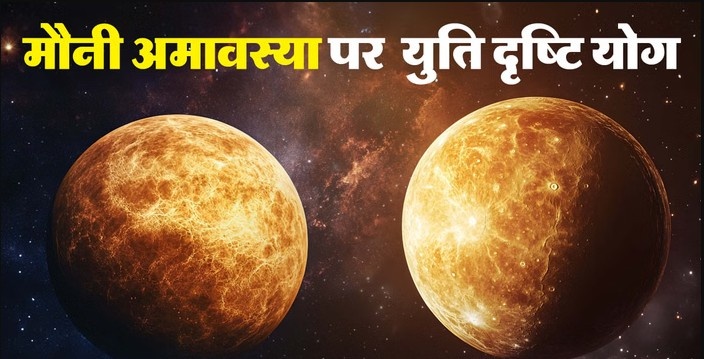
A Total Lunar Eclipse will occur on 3 March 2026, coinciding with the festival of Holi. The eclipse will begin at 3:20 PM and end at 6:47 PM (IST). However, in India, the initial phases will not be visible because the eclipse will appear as a Moonrise (Grastodaya) Eclipse, meaning the Moon will already be eclipsed when it rises.
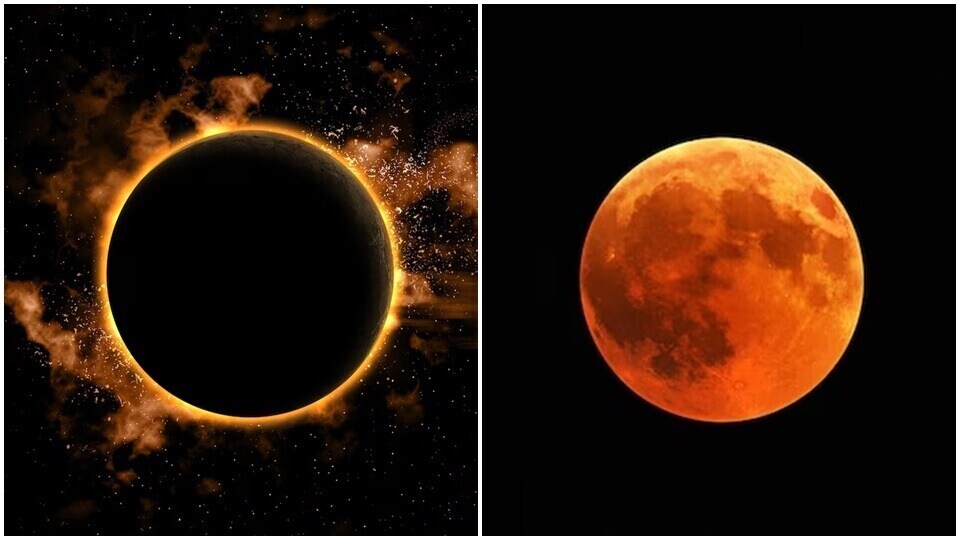
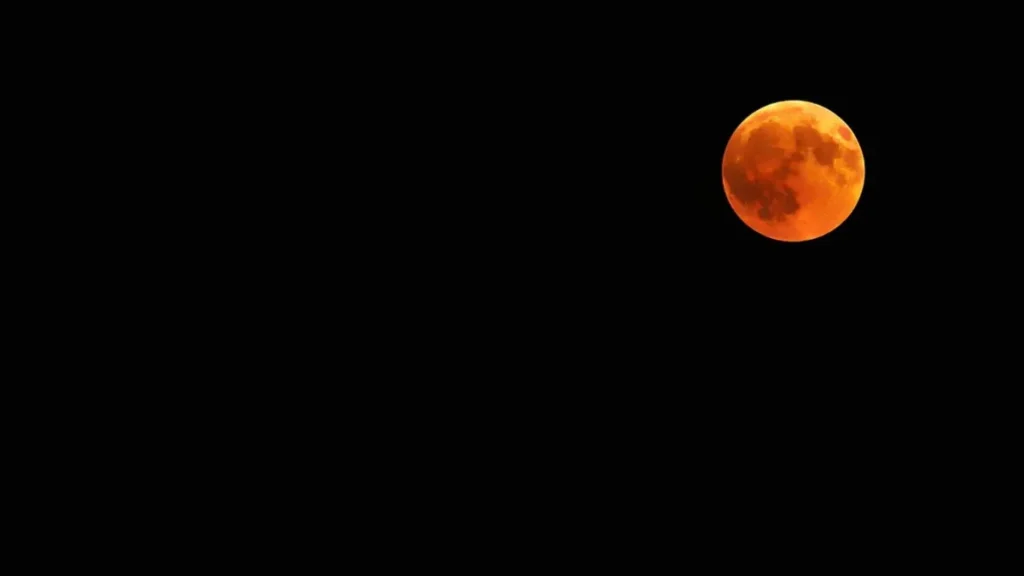
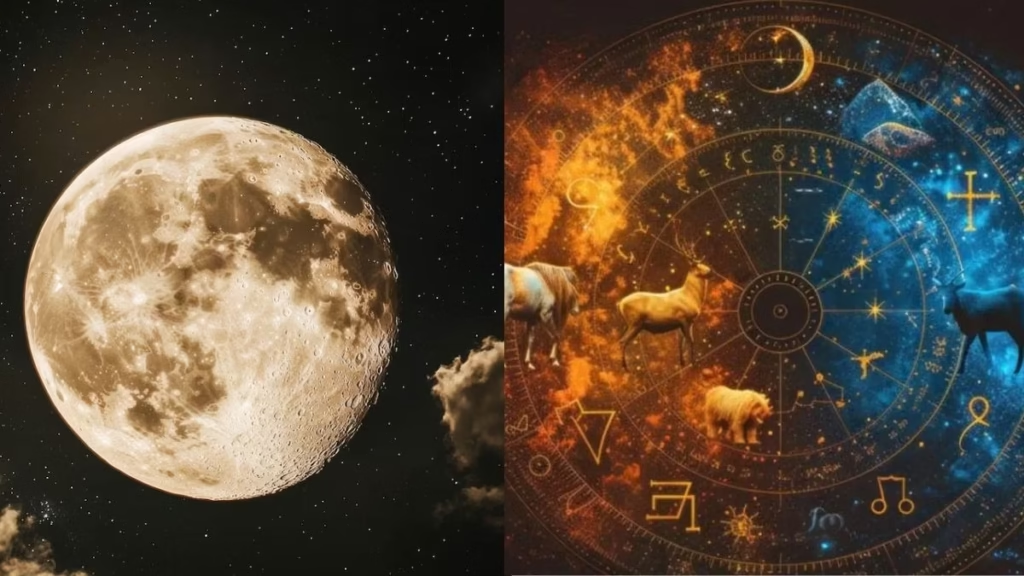
During this event, the Moon will appear deep red in color, commonly known as a “Blood Moon.”
Why Does the Moon Turn Red? (Scientific Explanation)
A lunar eclipse occurs when the Earth comes between the Sun and the Moon, casting its shadow on the Moon.
Even during totality, some sunlight passes through Earth’s atmosphere. The atmosphere scatters shorter blue wavelengths of light and allows longer red and orange wavelengths to bend (refraction) and reach the Moon.
This is why the Moon appears reddish during a total lunar eclipse.
Eclipse Timing in India (3 March 2026)
-
Eclipse Begins (Global Timing): 3:20 PM
-
Eclipse Ends: 6:47 PM
-
Visibility in India: From Moonrise
-
Average Visible Duration: Around 25 minutes (varies by city)
City-Wise Lunar Eclipse Visibility
| City | Eclipse Visible From (Moonrise) | Visible Duration |
|---|---|---|
| Delhi | 6:22 PM | 25 minutes |
| Lucknow | 6:02 PM | 45 minutes |
| Kolkata | 5:43 PM | 1 hour 15 minutes |
| Bhopal | 6:21 PM | 26 minutes |
| Chennai | 6:21 PM | 25 minutes |
| Patna | 5:55 PM | 51 minutes |
| Bengaluru | 6:32 PM | 14 minutes |
| Hyderabad | 6:26 PM | 20 minutes |
| Kanpur | 6:14 PM | 32 minutes |
| Shillong | 5:27 PM | 1 hour 19 minutes |
| Imphal | 5:18 PM | 1 hour 28 minutes |
| Itanagar | 5:19 PM | 1 hour 27 minutes |
Religious Beliefs and Spiritual Significance
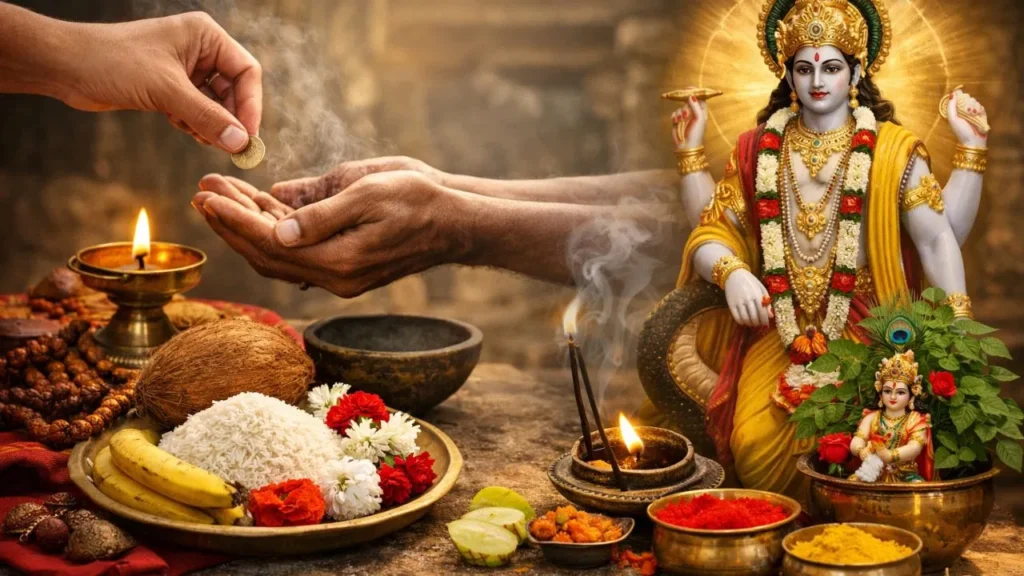
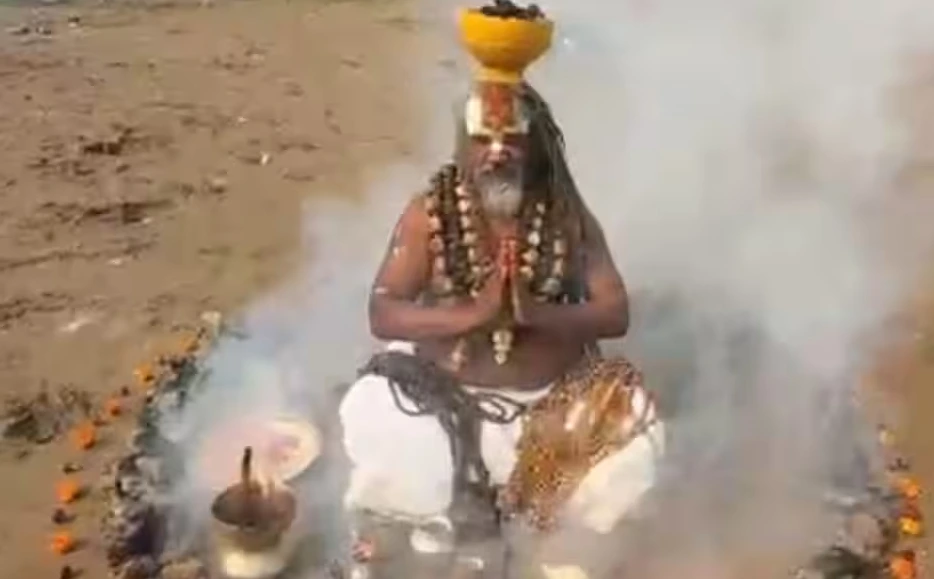
In Hindu tradition, a lunar eclipse holds deep spiritual importance.
-
A Sutak period is believed to begin approximately 9 hours before the eclipse (based on local visibility).
-
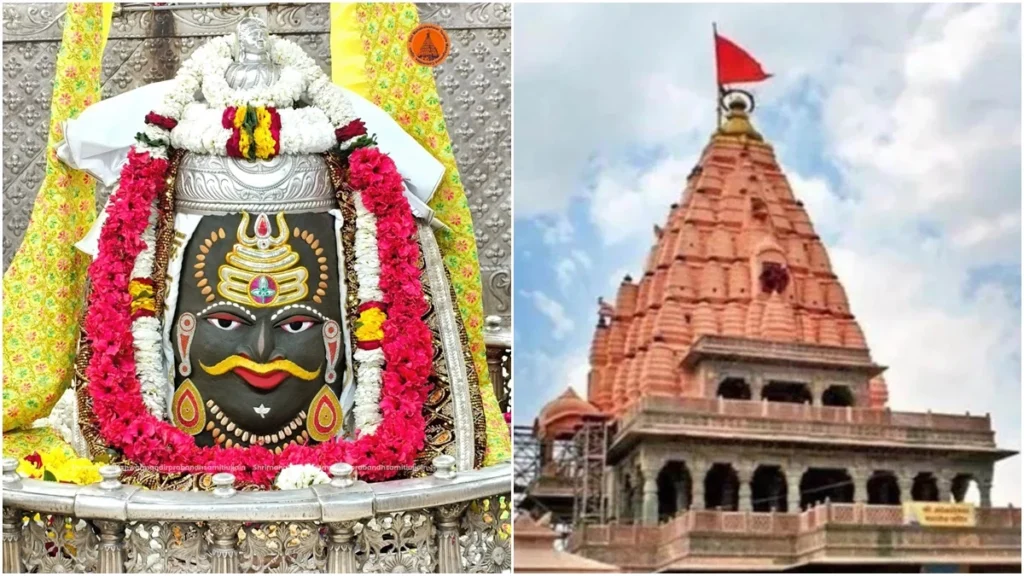
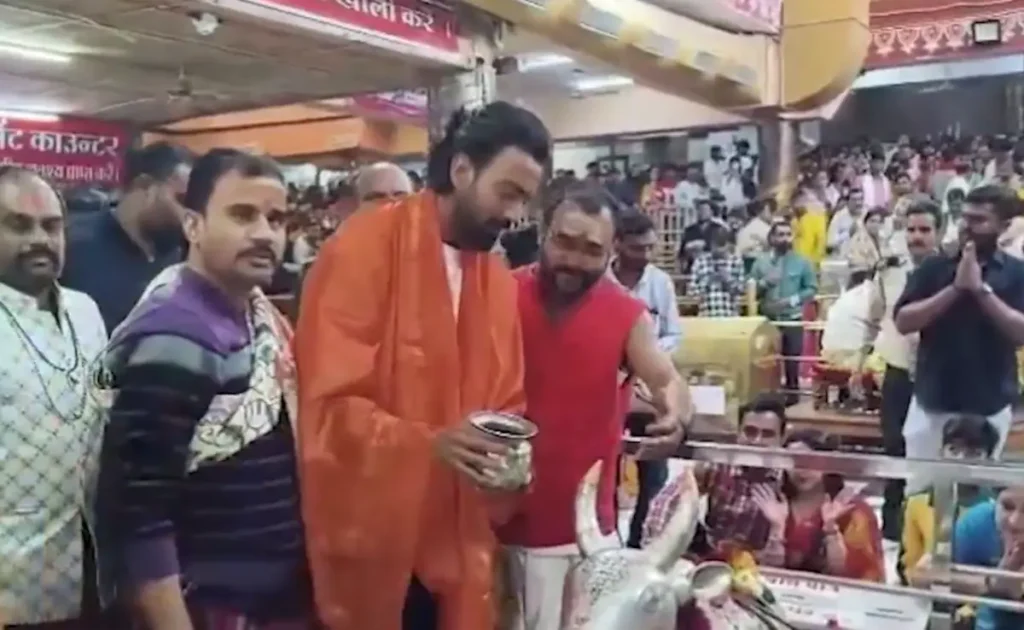
Temple doors are usually closed during the eclipse.
-
Chanting mantras, meditation, and charity are considered highly auspicious.
-
Many people take a holy bath after the eclipse ends.
-
Pregnant women are traditionally advised to take special precautions.
While these practices are faith-based, many devotees observe them with devotion and discipline.
Mythological Background
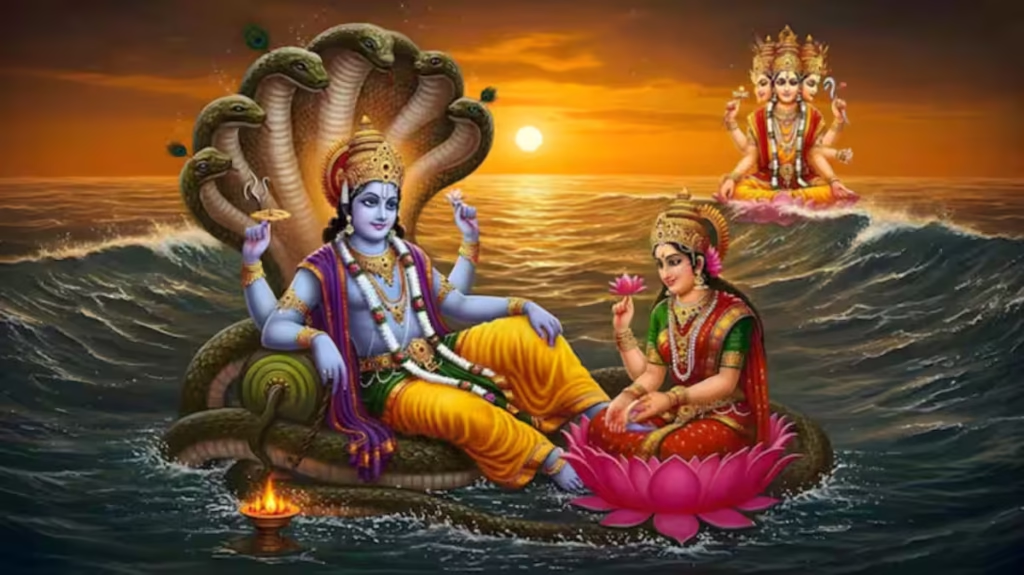
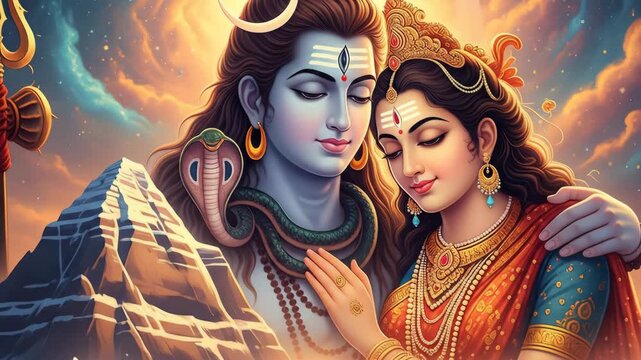
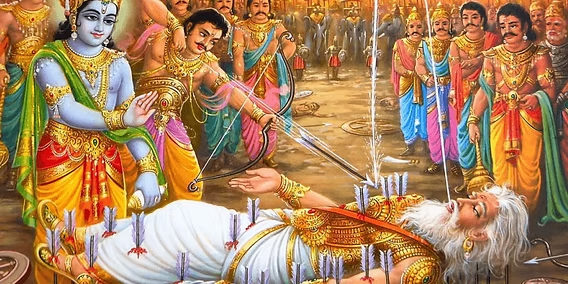
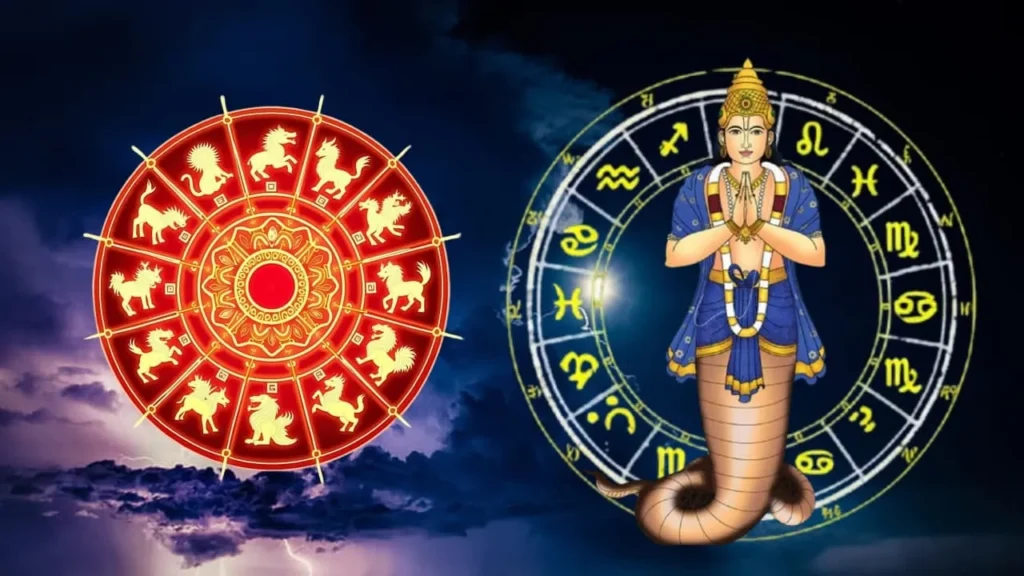
According to Hindu mythology, the story of eclipses is linked to the legend of Rahu and Ketu during the Samudra Manthan (churning of the ocean).
When the nectar of immortality (Amrit) was obtained, an asura named Rahu disguised himself and consumed some nectar. Lord Vishnu, in his Mohini form, severed Rahu’s head. However, since he had already consumed nectar, he became immortal.
It is believed that Rahu and Ketu periodically swallow the Sun and Moon, causing eclipses.
This mythological explanation has been part of Indian scriptures and astrology for centuries.
What Is a Moonrise (Grastodaya) Eclipse?
On 3 March 2026, India will witness a Grastodaya Lunar Eclipse. This means the Moon will rise already in an eclipsed state, and the early phases of the eclipse will not be visible. Observers will only see the final portion of the total eclipse.
Why Is This Eclipse Special?
-
First total lunar eclipse of 2026
-
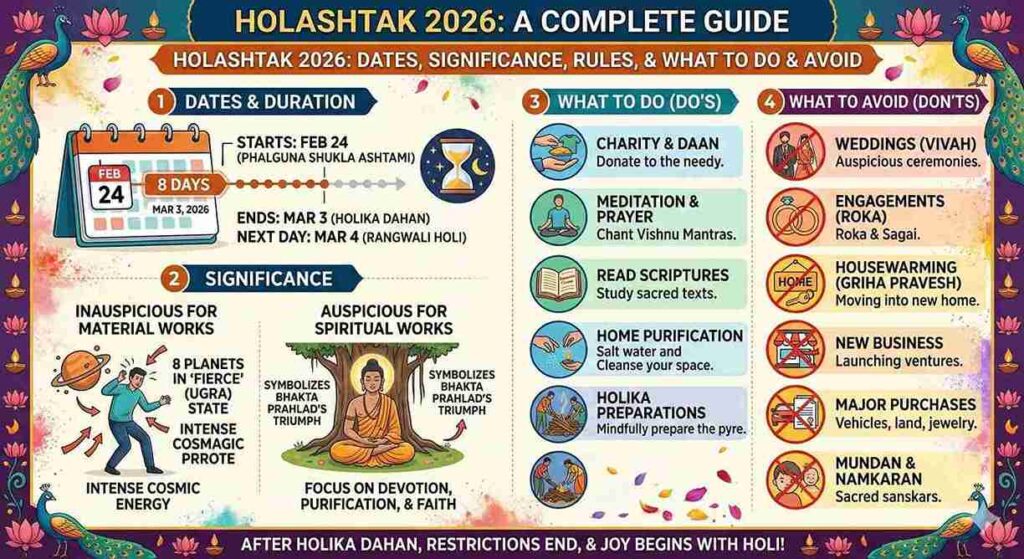
Occurring on the day of Holi
-
Rare Blood Moon appearance
-
Similar clear visibility may not occur again until 2029
The Lunar Eclipse of 3 March 2026 is both an astronomical marvel and a spiritually significant event. The sight of a red “Blood Moon” on the evening of Holi makes it even more extraordinary.
Whether viewed through the lens of science or faith, this celestial event promises to be a memorable experience for skywatchers and devotees alike.