

 English














































































































































































































































Mauni Amavasya 2026: Date, Time, Significance and Religious Importance


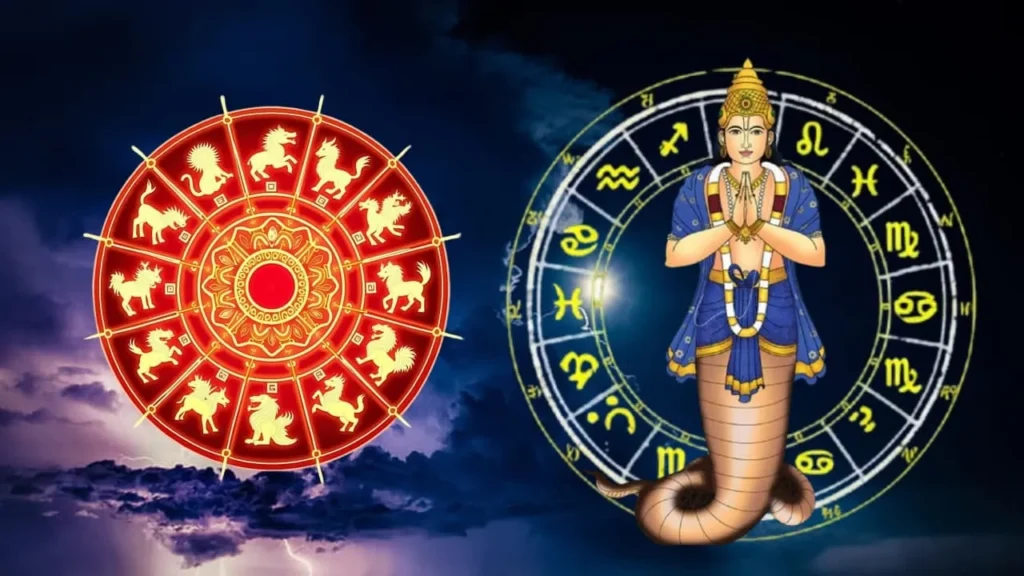
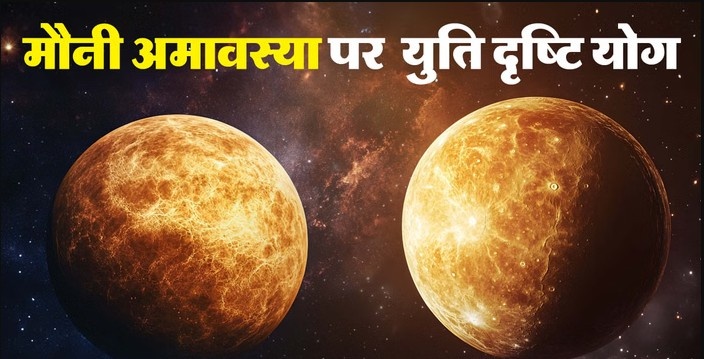
Mauni Amavasya is considered one of the most sacred days in Hinduism. This auspicious occasion is dedicated to self-purification, spiritual discipline, charity and silence. It is believed that religious activities performed on this day help reduce ancestral dosha, pacify planetary afflictions like Shani, Rahu and Ketu, and bring mental peace and positivity.
Mauni Amavasya 2026: Date and Time
In the year 2026, Mauni Amavasya will be observed on Sunday, 18 January.
The Amavasya Tithi will begin at 12:03 AM on 18 January and will end at 01:21 AM on 19 January.
The most auspicious time for holy bathing is considered to be between 4:00 AM and 6:00 AM.
Mauni Amavasya is also known as Magh Amavasya or Maghi Amavasya and holds immense religious importance in Hindu traditions.
What is Mauni Amavasya?
The word “Mauni” is derived from “Maun,” which means silence. The day symbolizes inner discipline, self-reflection and spiritual awareness.
According to religious beliefs, observing silence, taking a holy bath, performing charity, offering ancestral prayers (tarpan) and engaging in spiritual practices on Mauni Amavasya bring great spiritual merit. It is believed that sacred acts performed on this day help neutralize ancestral dosha, planetary obstacles and negative energies.
Religious Significance of Mauni Amavasya
Holy Bath
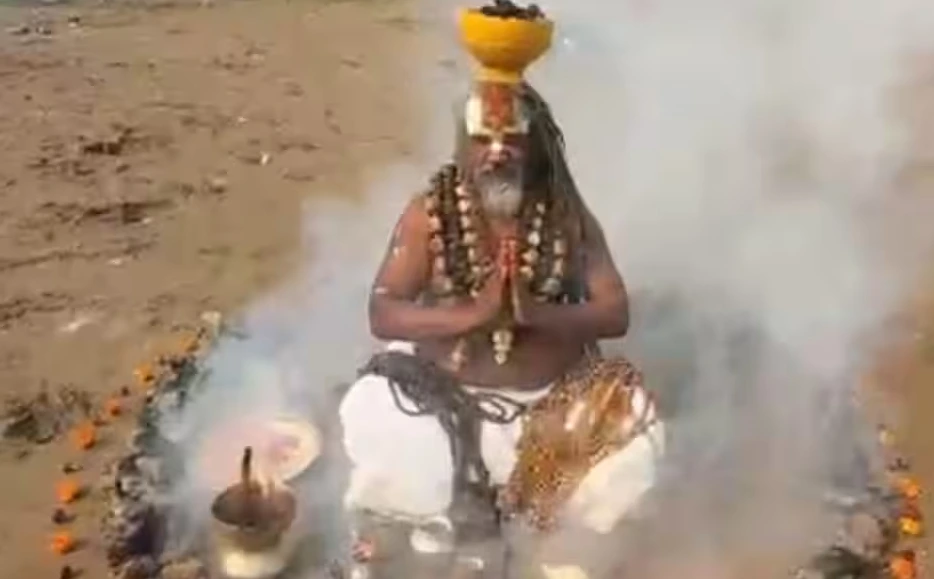
Taking a bath in sacred rivers, especially the Ganga, is considered highly auspicious on Mauni Amavasya. It is believed to cleanse past sins and purify the soul. If traveling to a pilgrimage site is not possible, a ritual bath at home with devotion is also considered beneficial.
Charity and Donations
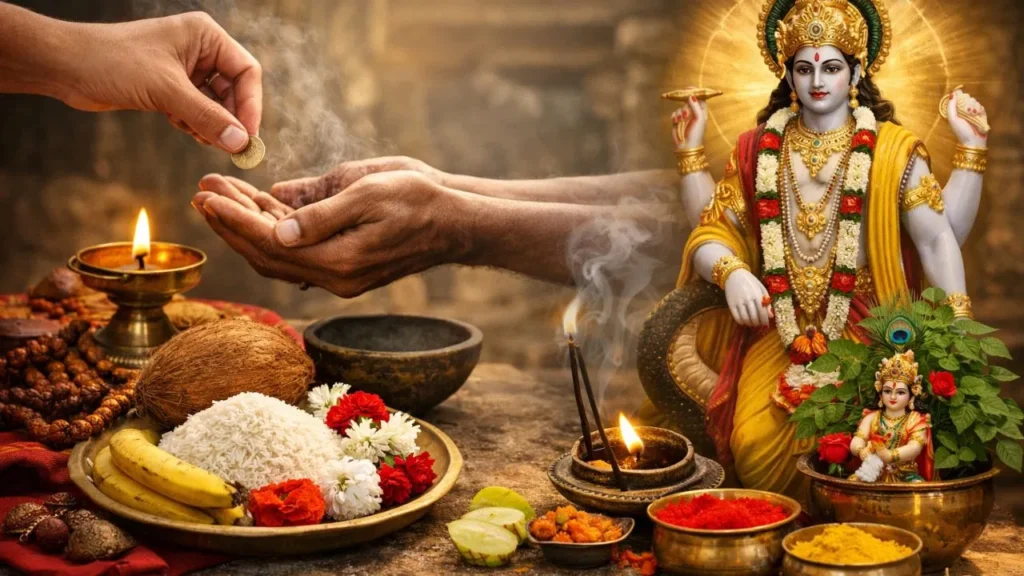
Donating food, clothes, water or essential items to the needy on this day is regarded as extremely virtuous. Charity performed on Mauni Amavasya is believed to multiply spiritual rewards.
Ancestral Offerings (Pitru Tarpan)
Offering tarpan to ancestors on this day is believed to bring their blessings and help pacify Pitru Dosha. It is said to promote peace, harmony and prosperity within the family.
Observing Silence
Maintaining silence helps calm the mind and enhances spiritual growth. Practicing meditation and self-discipline while observing Maun Vrat is considered especially beneficial on this day.
Remedies for Shani, Rahu and Ketu Dosha
Certain remedies performed on Mauni Amavasya are believed to reduce the negative influence of planets.
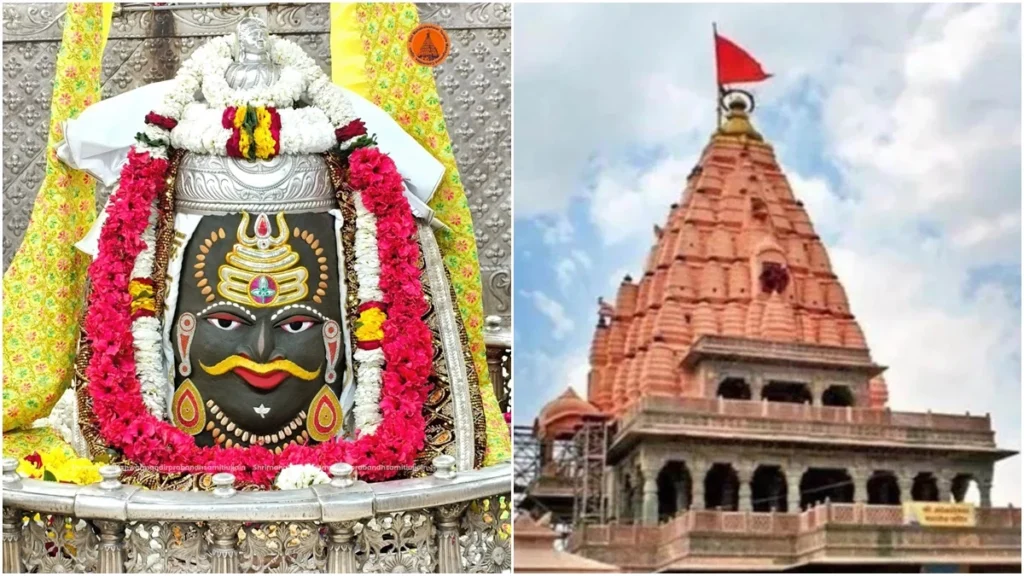
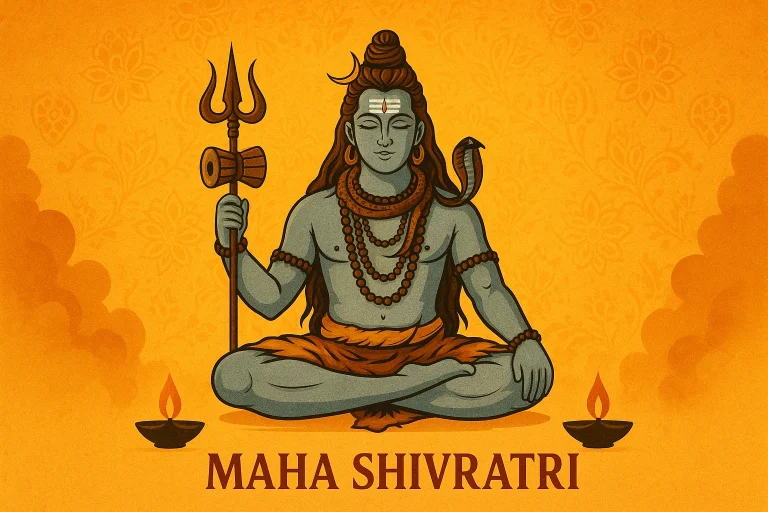
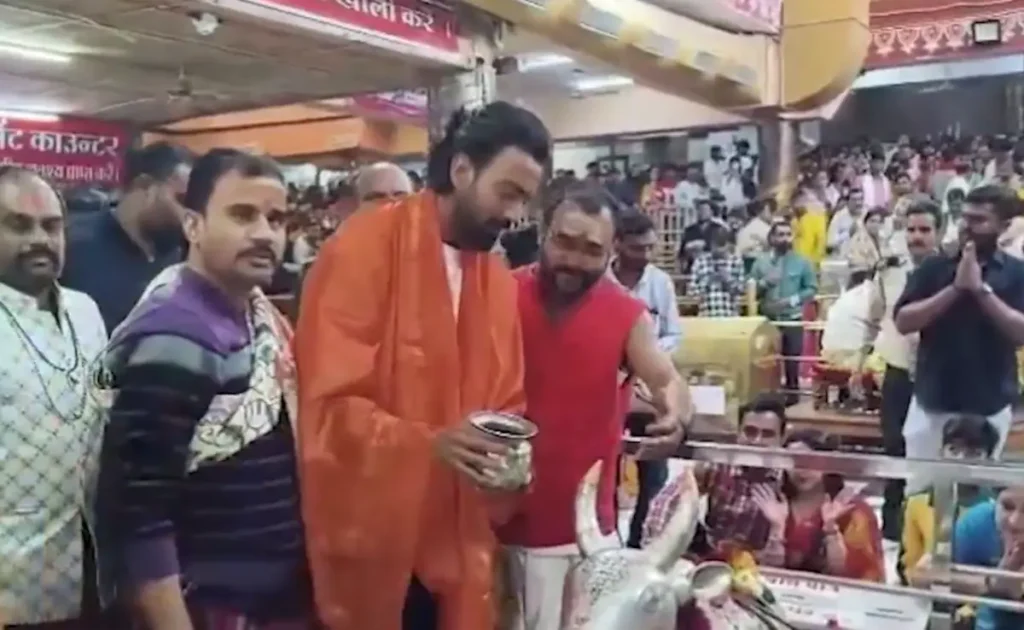
Visiting a Shiva temple and offering prayers is considered auspicious. Offering a Rudraksha garland and chanting Shiva mantras are believed to bring relief from planetary afflictions.
Chanting the mantra “Om Namah Shivaya” or the 108 names of Lord Shiva helps promote mental peace.
Donating food, clothes or essential items to the needy is said to reduce negative planetary effects and enhance positive energy.
Mauni Amavasya 2026: Key Highlights
| Aspect | Details |
|---|---|
| Date | 18 January 2026 |
| Auspicious Bath Time | 4:00 AM to 6:00 AM |
| Main Rituals | Holy bath, charity, tarpan, silence |
| Benefits | Spiritual purification, dosha relief, ancestral peace |
Mauni Amavasya is a powerful spiritual opportunity for self-reflection, discipline and inner purification. Observing this day with devotion, silence and righteous actions is believed to bring peace, balance and positive transformation in life.