

 English


























































































































































































































































Dollar vs Rupee: Rupee Roars After Trump Cuts Tariffs on India, Jumps 1.2% Against Dollar

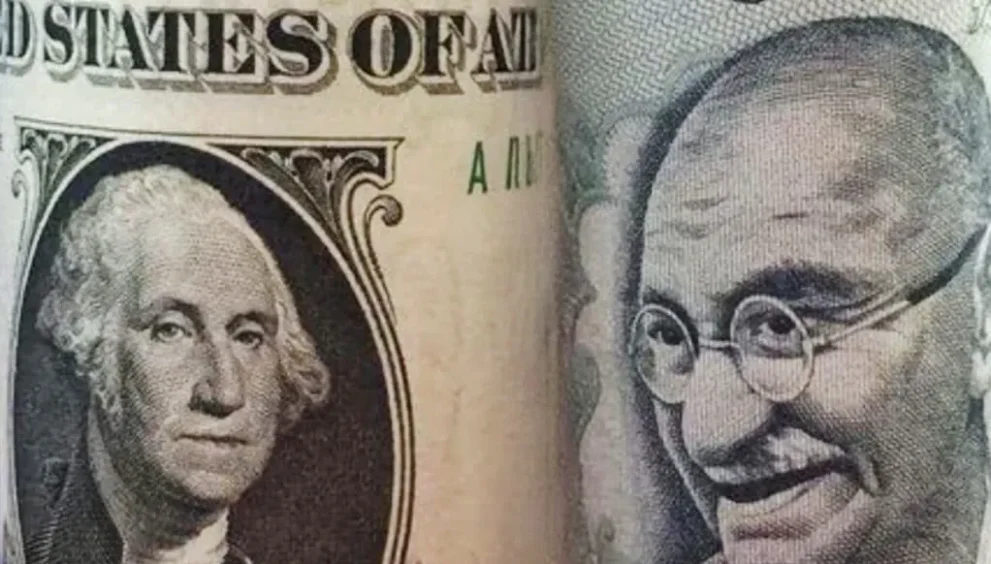
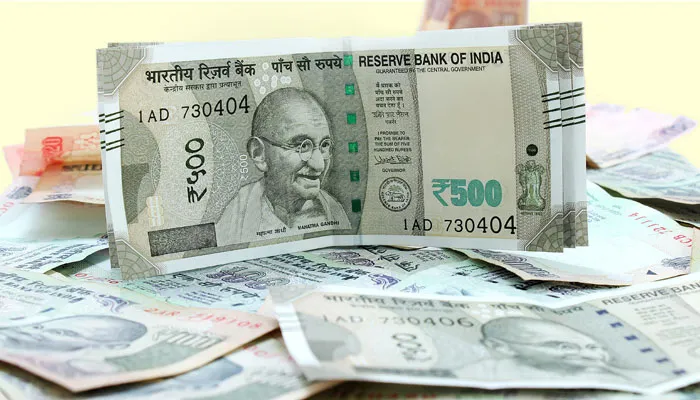
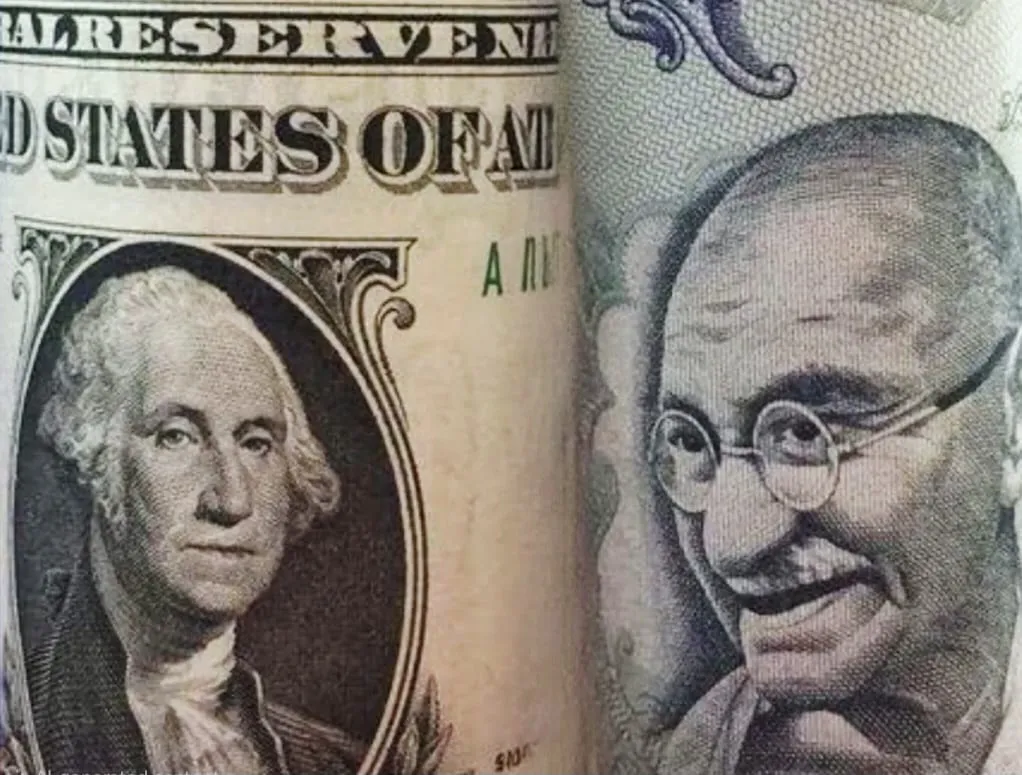
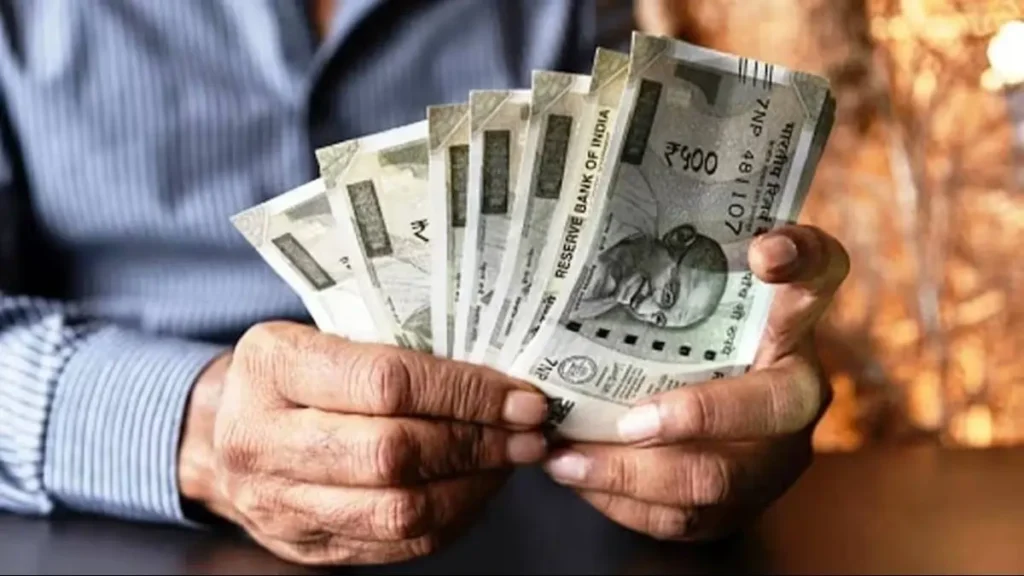
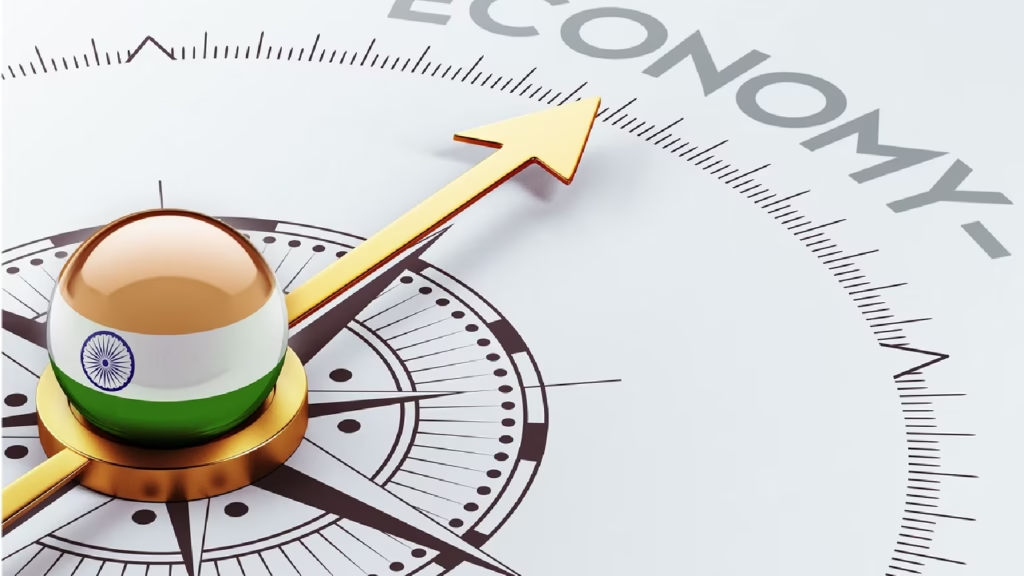
The Indian rupee strengthened sharply against the US dollar on Tuesday, 3 February 2026, after the United States announced a major reduction in tariffs imposed on India. On the second trading day of the week, the rupee opened nearly 1.2 percent higher at the 90.40 level, reflecting renewed foreign investor confidence and a positive response to global cues.
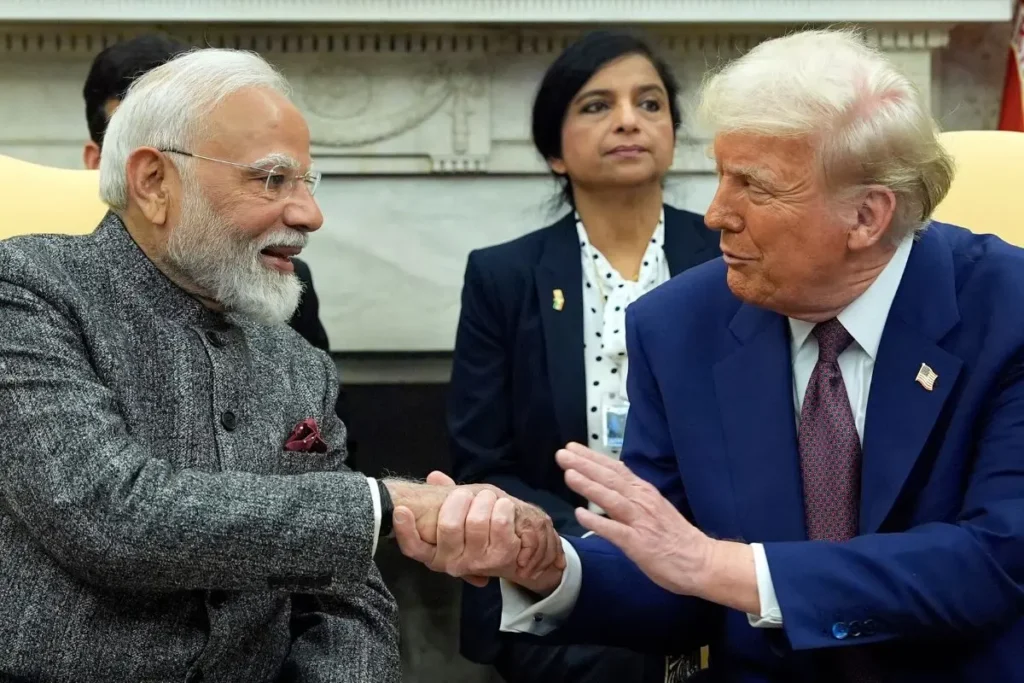
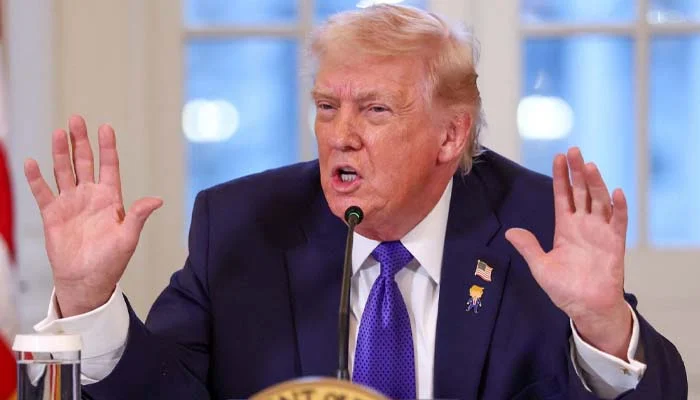
The sharp move in the currency came after former US President Donald Trump announced a significant cut in tariffs on Indian goods, reducing the rate from 50 percent to 18 percent. The decision has been widely welcomed and is being seen as a major relief for the Indian economy, with a positive impact across multiple sectors.
Strong Rally in the Rupee
Forex market participants said the tariff cut has changed the overall outlook for India on the global stage. The move has strengthened market sentiment and improved expectations of foreign institutional investor (FII) inflows into Indian markets. As a result, the rupee witnessed strong buying interest in early trade.
In the interbank foreign exchange market, the rupee opened at 90.30 against the dollar, marking a sharp gain of 119 paise compared to the previous closing level of 91.49.
Dollar Weakens, Crude Prices Ease
Meanwhile, the US dollar index, which measures the greenback against six major global currencies, slipped 0.20 percent to 97.43. Global crude oil prices also softened, with Brent crude futures falling 0.41 percent to USD 66.03 per barrel.
Positive Mood in Equity Markets
The tariff reduction has also improved sentiment in the equity markets. According to stock exchange data, foreign institutional investors had sold shares worth around ₹1,832 crore on Monday. However, analysts believe that improved trade prospects and policy clarity could lead to renewed foreign inflows in the coming sessions.
Why the Tariff Cut Matters
Earlier, the United States had imposed a 25 percent base tariff on Indian goods. An additional 25 percent tariff was levied due to India’s crude oil purchases from Russia, taking the total tariff burden to 50 percent. This had placed significant pressure on Indian exporters, hurting profitability and global competitiveness.
After prolonged negotiations and trade discussions without a breakthrough, the tariff reduction marks a crucial turning point. The move is expected to ease pressure on exporters, strengthen the rupee further, and support overall economic growth.