 English































































































































































































































































What is the Board of Peace and Which Countries Will Be Included? How Strong Is It Compared to the United Nations?


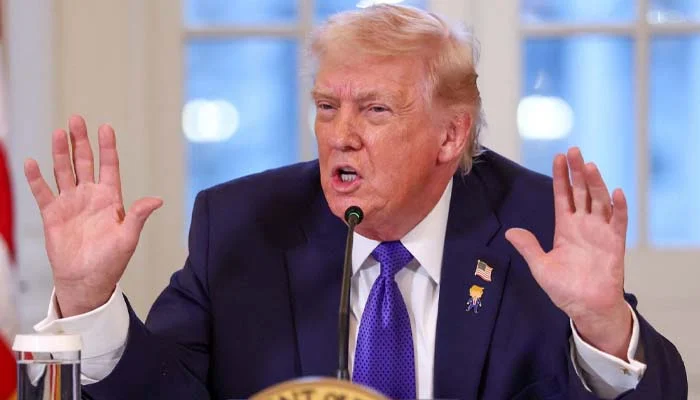
US President Donald Trump has proposed a new international platform called the “Board of Peace”. Its purpose is to resolve global conflicts and promote peace initiatives. This initiative was introduced particularly to address the Gaza conflict and oversee post-conflict reconstruction efforts.
Countries Included in the Board of Peace
Several countries and regional groups have been invited to join the proposed Board of Peace. In the initial phase, some key countries have agreed or shown support:
-
United Arab Emirates (UAE) has officially agreed to join the board.
-
Additionally, Saudi Arabia, Turkey, Egypt, Jordan, Indonesia, Pakistan, and Qatar have also consented to participate.
Some European countries have expressed principled support but have postponed formal participation. Meanwhile, countries like Canada were initially invited but later withdrew.
This participation indicates that the initiative is starting as a limited coalition, including Middle Eastern, South Asian, and some European countries.
Objectives of the Board of Peace
The main goal of the Board of Peace is to resolve global conflicts and implement peace initiatives effectively. Initially, it will focus on resolving the Gaza conflict and post-conflict reconstruction. Participating countries aim to bring stability, cooperation, and prosperity through joint efforts.
President Trump stated that the board will work on peace solutions and establish broader cooperation if needed. However, the board’s leadership and global influence are still subjects of international debate.
Board of Peace vs. United Nations (UN)
The United Nations (UN) has nearly 193 member countries and serves as the primary framework for global peace, security, and cooperation. It has established bodies like the Security Council and General Assembly, which are capable of conflict resolution and peacekeeping missions worldwide.
In contrast, the Board of Peace is a new and limited platform. Its global recognition and authority are not yet fully established. Experts view it as a potential alternative or complementary initiative to the UN.
While the UN has established mechanisms for global dispute resolution and peacekeeping, the Board of Peace’s authority and effectiveness are still evolving.
Global Response and Challenges
Reactions to the Board of Peace have been mixed. Some countries and analysts see it as a move that could weaken the UN’s role, while others consider it an additional mechanism for peace efforts. Several European nations have expressed caution and are waiting for outcomes, while some have shown clear support.
In summary, the Board of Peace is emerging as a new type of international platform, with its structure, support, and influence likely to become clearer in the future.