
 English

















































































































































































































































































Best Dry Fruits for Fatty Liver: Benefits and the Right Time to Eat Them

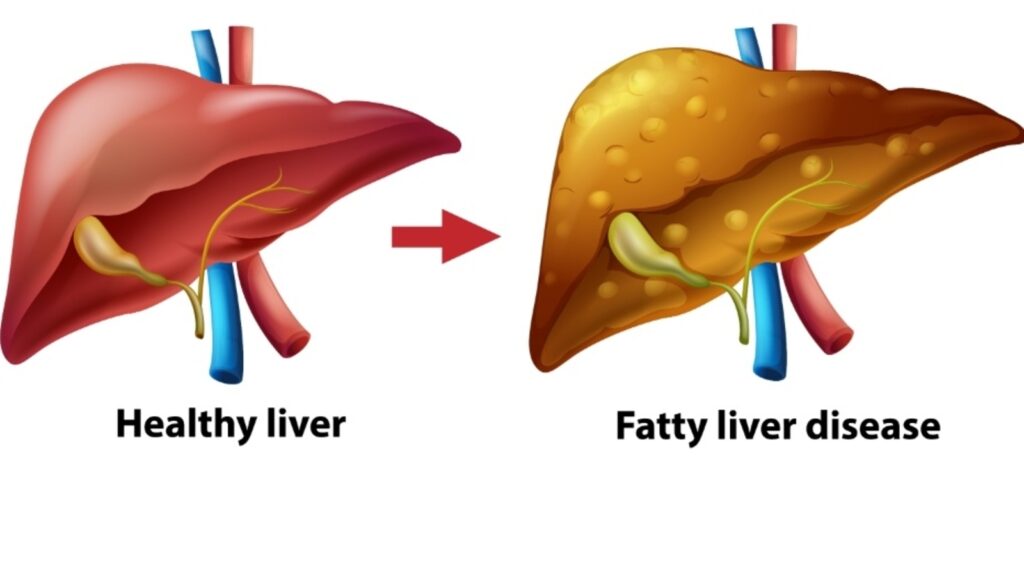
Fatty liver disease is becoming increasingly common due to unhealthy eating habits, lack of physical activity, stress, and weight gain. In the early stages, this condition often shows no noticeable symptoms, but if left untreated, it can gradually affect liver function. Along with lifestyle changes, including the right foods in your daily diet can play an important role in supporting liver health.
Dry fruits are rich in healthy fats, antioxidants, fiber, vitamins, and minerals. When consumed in moderation, certain nuts can help reduce fat accumulation in the liver, improve digestion, and support overall metabolic health.
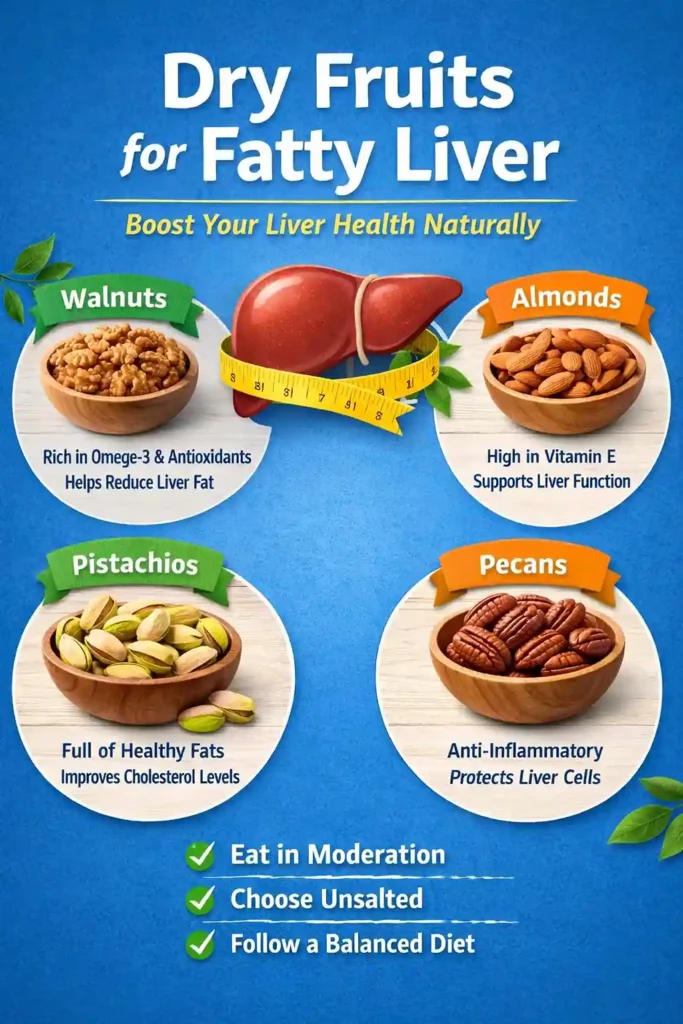
1. Walnuts
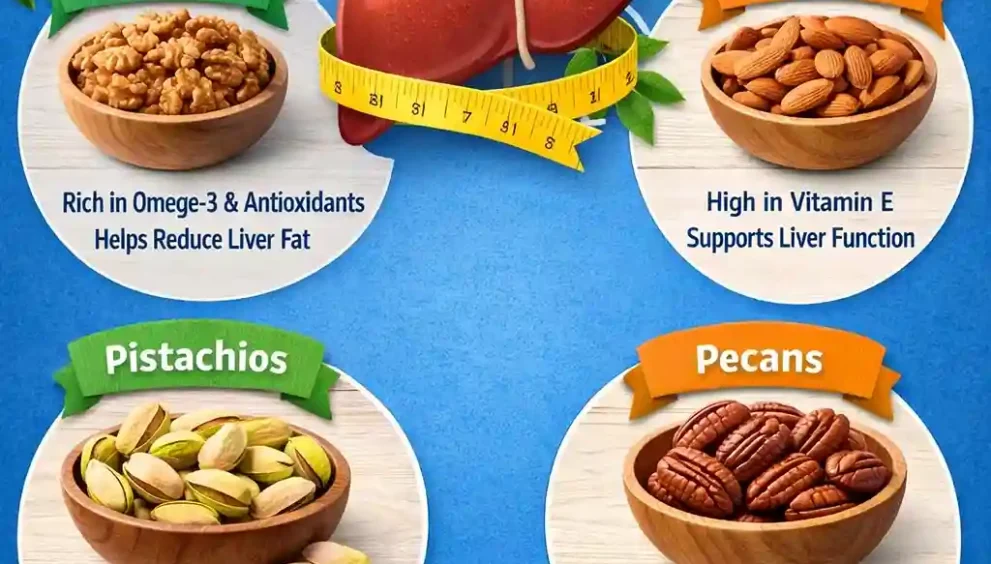
Walnuts are an excellent source of omega-3 fatty acids and antioxidants. These nutrients help reduce inflammation and may support the breakdown of excess fat stored in the liver. Regular consumption of walnuts may also help improve liver enzyme levels.
Best time to eat: In the morning with breakfast or as a light snack in the evening.
2. Almonds
Almonds are packed with vitamin E, fiber, and healthy fats that help protect liver cells from damage caused by oxidative stress. They also support better cholesterol levels and blood sugar control, which is essential for managing fatty liver disease.
Best time to eat: Soaked almonds in the morning on an empty stomach or along with breakfast.
3. Pistachios
Pistachios contain powerful antioxidants and healthy fats that help regulate fat metabolism in the body. They may assist in reducing liver fat and improving overall lipid levels when eaten in controlled portions.
Best time to eat: As a mid-morning snack or after light physical activity.
4. Pecans
Pecans are rich in healthy fats and vitamin E, which help protect liver cells and reduce inflammation. Including pecans in your diet may support liver detoxification and overall digestive health.
Best time to eat: As part of a salad or as a small afternoon snack.
How to Consume Dry Fruits Safely
✔ Eat dry fruits in small portions, as they are calorie-dense.
✔ Avoid salted or sugar-coated varieties.
✔ Combine nuts with a balanced diet rich in vegetables, fruits, and whole grains.
✔ Stay physically active and avoid processed and fatty foods.
Dry fruits can be a valuable addition to a fatty-liver-friendly diet when eaten in moderation. Their nutrient-dense profile helps reduce inflammation, supports fat metabolism, and promotes better liver function. However, they should be consumed as part of a healthy lifestyle rather than as a standalone solution.
Disclaimer
(The information provided in this article is for general awareness and educational purposes only. It is not intended to replace professional medical advice, diagnosis, or treatment. Fatty liver disease and other health conditions may vary from person to person, and dietary needs can differ based on individual health status. Always consult a qualified doctor, dietitian, or healthcare professional before making any changes to your diet, especially if you have a medical condition or are taking medication. The author and publisher are not responsible for any health outcomes resulting from the use of this information.)